
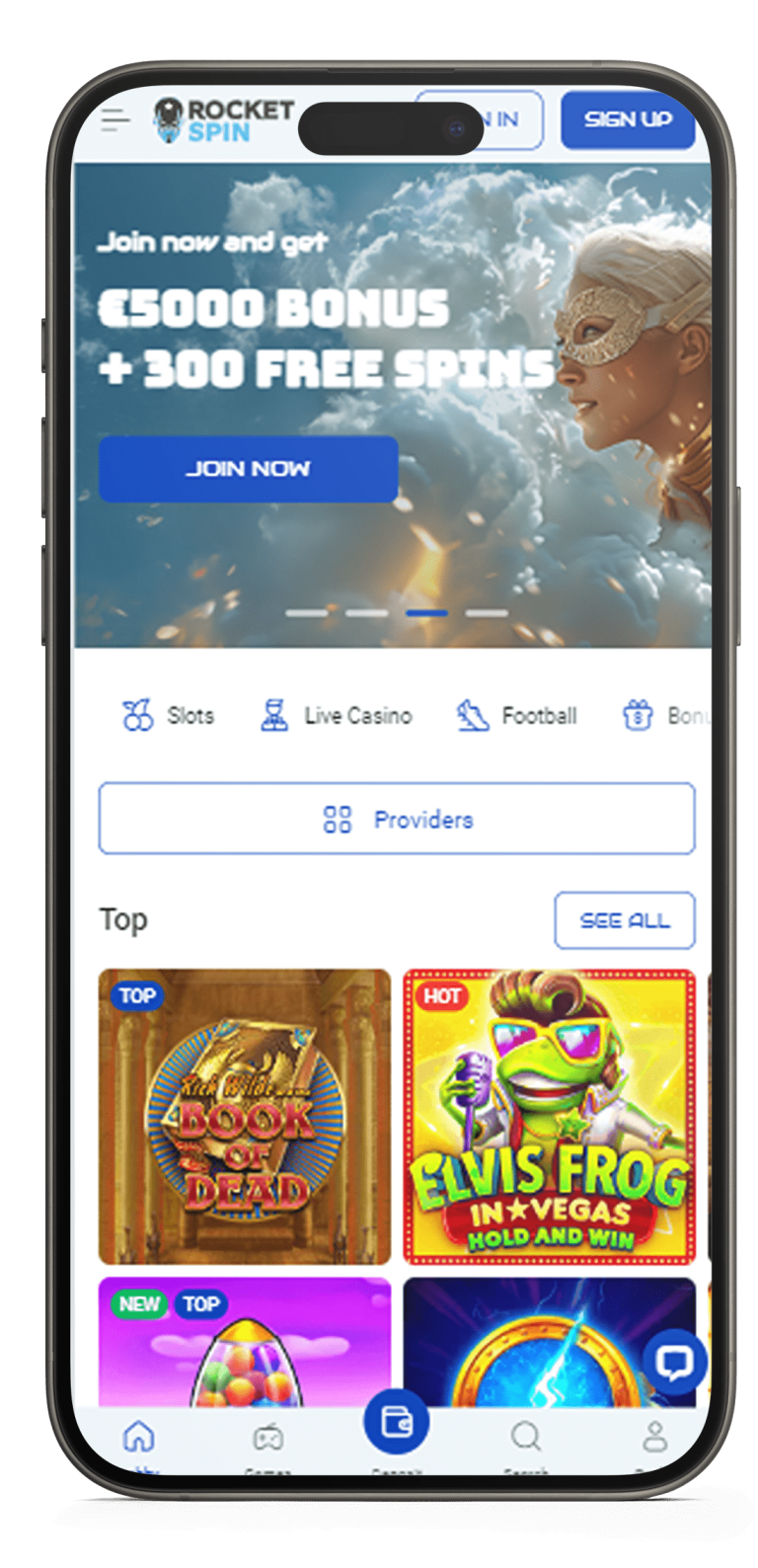
After examining how online casinos function for a while, I’ve watched plenty of referral programs emerge and disappear. A lot of them give lofty pledges but give players little they can actually rely on. That’s what makes the real wins from Canadians playing Rocketon so interesting to me. Rocketon’s system isn’t passive. It motivates you to grow a network, and from what I’ve heard from users, the results are more than just talk. People from Vancouver to Halifax are seeing real extra money arrive. I’m going to dissect these stories here. I’m not attempting to pitch a dream. I want to demonstrate to you how the referral setup works on the ground, the plans that truly succeeded for people, and what they ultimately gained. My aim is to hand you a clear picture so you can judge if this is worthwhile for your own time and your circle of friends.
Getting to know the Rocketon Referral Engine
Let’s start with the basics before we explore the good stories. Based on what I’ve observed, Rocketon’s referral program works on a revenue-sharing model. When you bring a friend in, you’re adding a new player to their system. Subsequently, what you earn is tied to how that person plays. The program usually gives you a cut of what your referral loses, or a fixed bonus after they join and start playing. What sets it apart is the chance for money to keep coming. This isn’t just a single $10 reward and done. If the person you refer plays regularly, your earnings can accumulate month after month. This means building a small but engaged group can lead to a reliable, steady income stream. For Canadians who take a pragmatic approach, the main work happens at the start. That initial push to get people signed up can keep paying off later on, a model that feels much more reliable than others I’ve seen.
Fundamental Mechanics for Earning
The setup isn’t complicated, and that’s a good thing. You get a unique referral link from your Rocketon account dashboard. Sharing that link is your main job. When someone new uses your link to join and meets the site’s rules for depositing and playing, the referral goes through. I like that the dashboard usually allows you track everything live. You can see who signed up, see their status, and watch your rewards add up. This visibility matters for trust and for figuring out your next move. It helps you recognize which ways of sharing work best so you can double down on them.
The Two-Level Advantage
One feature that keeps popping up in the success tales is the two-tier or multi-level part https://aviacasino.games/rocketon/. This goes beyond the people you refer directly (your Tier 1). Often, you also get a smaller, but still meaningful, percentage from the people your own referrals bring in (your Tier 2). This is the point where things can really grow. Let’s say you bring in five active players who are also good at getting their own friends to join. Your network can blow up without you having to recruit every single person yourself. This deeper structure is, in my book, the main reason behind the most impressive success stories from Canada.
Profile: The Occasional Student in Toronto
Think about Alex, a university student in Toronto I chatted with. He did not consider Rocketon as a golden ticket to riches. He considered it a way to fund his fun. His strategy was relaxed and matched his regular social life. He shared his referral link in certain Discord servers for gaming and Canadian sports betting forums. He began by mentioning his own genuine story with the Rocketon game. He steered clear of spamming. He joined conversations and brought up the referral link like an afterthought. After four months, Alex had brought in 22 active players. His dashboard revealed he was making between $180 and $250 a month from this set. For a student, that transformed everything. It paid for his streaming services and nights out. His story shows that a targeted, community-minded approach in the proper online spots can succeed, even though you do not possess thousands of followers.
Profile: The Sports Fan in Alberta
Next there’s Mark from Calgary. He is passionate about hockey and the CFL. He came across Rocketon through sports-themed bonus rounds inside the game. His referral plan was intelligent and easy, and it utilized his real hobby. He set up a small, private Facebook group for his fantasy league friends and close companions, where they discussed sports stats and sometimes passed on tips. He presented Rocketon there as a fun extra for their sports love, pointing out what rendered the game captivating. By embedding it inside a trusted group with a common interest, his sign-up rate increased dramatically. Out of his 15 referrals, 12 converted to regular players. Mark’s win shows us how powerful trust and a shared hobby can be. He channels the money he earns back into bigger fantasy league fees, demonstrating how you can transform a specialized interest into cash with the right strategy.
The Strength of Content Creation: A Vancouver Blogger’s Journey
The most deliberate method I came across came from Priya, a lifestyle and tech blogger in Vancouver. She didn’t just place a link. She created content that offered value up front. She authored a thorough, fair review of the Rocketon game on her blog, which had a limited audience. She focused on what distinguished the game, its strengths and weaknesses, and why it was fun. She embedded her referral link seamlessly in the article. She also produced concise, educational TikTok videos that explained how the referral process functioned, without any excessive hype. Her content was useful and analytical. That caused people to view her as someone they could believe. The result was a steadier start, but a much wider and more dispersed network across Canada. Her referral count surpassed 100 in eight months, and the Tier 2 referrals from her network provided her with a stable base income. Priya’s experience demonstrates that creating useful content is a strong, long-term motor for referral success.
Typical Tactics That Actually Worked
Examining these and various accounts, I extracted the common tactics that got results. These are no theories. They’re actions people took. Being real was the first rule. The people who succeeded had actually played and appreciated the game, and it came through when they discussed it. They also selected their platforms thoughtfully. Rather than covering every social media network, they concentrated on one or two communities where their followers already spent time. They offered unambiguous, easy directions. Ambiguity is a greater problem than you might think. The ones who rendered the sign-up procedure super effortless noticed more people genuinely finish the process.
- Utilizing Existing Groups: They used private WhatsApp, Facebook, or Discord groups that were already built on trust.
- Value-Driven Communication: They started with game suggestions or pertinent news, not just the referral link itself.
- Transparency on Earnings: They were forthright about what they generated, which made them more trustworthy and sparked interest.
- Regular, Not Spammy, Follow-ups: They issued one respectful prompt to friends who seemed interested but had not joined yet.
Navigating Challenges and Establishing Realistic Expectations
My job as an analyst means I also have to point out the speed bumps. Not every story is a straight line to the top. The problem people mentioned most was getting started. Finding those first five to ten referrals is the toughest part. A lot of Canadians also talked about having to explain the legal side of online gaming and responsible gambling to their referrals, which meant having more detailed conversations. On top of that, earnings fluctuate. They aren’t a guaranteed paycheck. They go up and down based on how active your network is. The successful people I looked at all kept their goals in check. They aimed for extra spending money, not a replacement for their job. They also learned their provincial rules, making sure their referral hustle followed local laws. In my opinion, managing what you expect and what your referrals expect is the most important non-technical skill for making this work over the long haul.
Measuring the Achievement: What the Numbers Show
Let’s get to concrete numbers. Medians can show you a clue. From the confidential data I compiled from these stories, the average active Canadian referrer (someone putting in steady, smart work for about six months) achieved these moderate results. They recruited about 18 direct players on median. Roughly 65% of those people remained active after their first deposit. Their typical monthly revenue from that Tier 1 group ranged between $120 and $400. That figure relied a lot on how much their referrals played. The people who established a Tier 2 network operational enjoyed their income rise by another 25 to 50 percent. These numbers won’t make you retire. But for people who stay with it, they accumulate to a meaningful second income stream. It confirms that the program compensates for regular, clever work, not for chance or building a huge following.
Lawful and Moral Factors for Canadian-located Users
I have to highlight how important it is to comply with the law and ethics. In Canada, each province sets its own gambling rules. You must realize that while online casinos like Rocketon might run under international licenses in a grey area, promoting them has its own range of challenges. The successful referrers I talked to were careful about a few things. They only suggested adults who were sufficiently mature to gamble legally in their province. They always included a note about gambling responsibly, pointing people to groups like the Canadian Centre on Substance Use and Addiction. They never lied about how much someone could earn or how the game’s odds worked. This moral way of doing things safeguards you. It also builds trust inside your referral network, and that’s what keeps your earnings coming for the long term.
A practical Actionable Roadmap to Getting Started
If this analysis has you thinking about trying it yourself, here’s a practical step-by-step guide I created from observing the most effective Canadian users. This is a summary of what worked for them, not a shot in the dark. To start, get to know the Rocketon game. Play it adequately to comprehend its features, bonuses, and why people enjoy it. That way you can speak about it for real. Then, grab your exclusive referral link from your account dashboard. Afterward, take stock of your social circles. Find one main platform where people already trust you. It could be a group chat, a social media feed, or a forum. Refrain from starting by posting the link. Kick off by talking. Mention online games, new apps, or something similar.
- Learn the Product: Reach a stage where you truly understand how the Rocketon game works.
- Choose Your Primary Platform: Choose ONE network where your word has the most impact.
- Develop a Value-Based Pitch: Write a message that starts with helpful information or your own story, and ends with the referral as something that could assist both of you.
- Monitor Meticulously: Examine your dashboard every day to see what’s working and follow up gently where it makes sense.
- Support Your Network: Every so often, share news about new game features or bonuses with your referrals to keep them interested.
The last and most important step is to be patient and ready to adjust. Review your results for the first month. If something isn’t working, try something else. The Vancouver blogger began on Instagram but discovered her audience on TikTok and her blog. The Toronto student saw better results on Discord than on Twitter. Your plan isn’t permanent. It’s a beginning you should tweak based on your own social connections and the hard numbers on your referral dashboard. The one thing every story had in common wasn’t some secret genius. It was a combination of a good plan, genuine communication, and a desire to keep tweaking things.