I have devoted considerable time examining how an online casino handles real-money transactions, because the deposit and withdrawal experience often determines whether a platform builds long-term trust or gets abandoned after a single payout delay. At Winner Island Casino, I found a banking infrastructure that seems built around a simple principle: give players control over their funds without saddling them in friction, hidden fees, or unnecessarily long waiting periods. The cashier area offers a broad mix of debit cards, e-wallets, bank transfers, and prepaid vouchers, which immediately indicates that the operator understands different players have different comfort zones. What matters more than the list itself is how these methods work in practice. I have looked at processing windows, verification requirements, minimum and maximum thresholds, and the overall security architecture that safeguards financial data. In this article I walk through everything I have learned about moving money in and out of Winner Island Casino, so you can judge whether the banking setup matches your expectations before you even register an account.
How the Deposit System Operates at Winner Island Casino
When I entered the cashier for the first time, the deposit interface presented a clean, filterable list of available payment channels, each labeled with estimated processing speed and any relevant limits. I like that the casino does not make you to dig through a help centre just to learn whether your deposit lands instantly or takes hours. Most methods I tried, including Visa, Mastercard, PayPal, Skrill, and Neteller, credited funds to the player account immediately. That real-time crediting is critical because nothing destroys the excitement of a gaming session faster than staring at a pending transaction while the clock ticks. The minimum deposit across most options stands at a reasonable threshold that accommodates casual players, typically around ten to twenty pounds, though I always recommend checking the exact figure inside your account because payment-specific floors can vary slightly. Maximum deposit limits vary more dramatically. E-wallets often enable higher single-transaction ceilings than debit cards, which is beneficial for high-volume players who favor fewer, larger transfers rather than multiple small top-ups.
Beyond the core mechanics, I observed that Winner Island Casino does not impose its own deposit fees. That is not unusual among reputable operators, but it is worth verifying because some brands subtly pass processor charges to customers. The absence of casino-imposed fees means the only potential cost stems from your payment provider, and most UK-issued debit cards and mainstream e-wallets do not charge for online gambling deposits. I also found that the deposit page dynamically modifies available methods based on the currency selected during registration, which reduces the frustration of picking a payment type only to realize it is incompatible with your account. The system remembers your last used method and places it at the top, a small design choice that spares regular players a few clicks every time they reload. One practical tip: if a deposit fails, the most common reasons are bank-level blocks on gambling transactions or insufficient funds, and the cashier gives clear error messaging rather than a generic failure notice, which assists you address the issue without contacting support unnecessarily.
Cashout Processing Times and What You Should Know
I view withdrawal speed the most telling test of an online casino’s operational integrity, and Winner Island Casino structures its payout flow with a clear internal review stage followed by payment-specific transit times. The internal processing window generally lasts twenty-four to forty-eight hours, during which the finance team validates the withdrawal request against account activity, bonus obligations, and identity documentation status. I have observed this window drop to under twelve hours for fully verified accounts using e-wallets, but first-time withdrawals nearly always take closer to the upper end of the range. Once the casino approves the payout, the actual transfer speed is determined by the method. E-wallets like Skrill and Neteller typically provide funds within a few hours of approval, sometimes instantly. Debit card withdrawals to Visa or Mastercard usually require one to three business days after approval. Bank transfers are the slowest option, often requiring three to five business days, and they may involve intermediary bank processing that Winner Island Casino cannot control.
What I deem reassuring is that the withdrawal dashboard presents a real-time status for each request, moving from pending to processing to completed, so you are never in the dark whether anyone is actually working on your payout. The casino also enforces a minimum withdrawal amount that matches the deposit floor, which stops players from getting stuck with tiny balances they cannot extract. Maximum withdrawal limits apply on a per-transaction and sometimes per-week basis, and these caps tend to be higher for VIP-tier accounts. If you are planning to cash out a large win, I strongly recommend contacting support in advance to understand whether a lump-sum payout is possible or whether the amount will be split across multiple payments. The terms I reviewed do not mention withdrawal fees, but I always advise reading the latest banking page because policy updates happen. One behaviour I appreciate: if your withdrawal method is unavailable due to a technical issue, the casino actively provides an alternative rather than simply rejecting the request and forcing you to find a workaround on your own.
Promotion Conditions and Their Impact on Your Payment Methods
I cannot overstate how vital it is to read bonus terms before depositing, because bonus deals directly shape when and how you can cash out funds. Winner Island Casino presents welcome packages, reload bonuses, and cashback offers that appear appealing on the surface, but each comes with wagering requirements that lock your deposit and bonus funds until you fulfill specific playthrough conditions. Wagering requirements here usually range between thirty-five and forty-five times the bonus amount, which falls within the industry norm, though the exact multiplier changes by promotion. What matters is which games apply to clearing those requirements and at what percentage. Slots usually contribute one hundred percent, so every pound wagered counts fully toward the playthrough target. Table games like blackjack and roulette often contribute significantly less, sometimes ten or twenty percent, and some live dealer titles may be excluded entirely. If you make a deposit with the aim of playing mostly blackjack, a bonus with high wagering requirements and low table game contribution turns into a trap that ties up your funds for an excessive length of time.
Another critical detail is the maximum bet restriction during active bonus play. Most promotions limit your stake per spin or hand at a fixed amount, often around five pounds, and surpassing that limit can cancel the bonus and any related winnings. I have seen players miss out on substantial payouts because they clicked the max bet button on a slot without understanding the bonus terms prohibited it. Withdrawal restrictions also apply while a bonus is active; seeking to cash out before meeting wagering requirements typically leads to forfeiture of the bonus and any winnings derived from it. Some offers are non-withdrawable, meaning the bonus funds themselves are cannot be withdrawn and are taken from your balance upon cashout, while others allow you to withdraw both deposit and bonus once met. The banking implications are simple: if you prefer fast, unrestricted availability to your funds, opt for playing without a bonus or pick promotions with low wagering multipliers and high game contribution rates. The casino provides the full terms on each offer’s dedicated page, and I advise capturing them at the time of accepting so you have a timestamped proof of the conditions you accepted.
Protection Systems Protecting Your Financial Data
Every time I input payment details into an online platform, I wish to see exactly what stands between that data and a security incident. Winner Island Casino utilizes Transport Layer Security encryption across its whole site, not just the cashier pages, which means your card number, login credentials, and personal information travel through an encrypted tunnel from your browser to the server. I verified this by inspecting the site’s SSL certificate, which features modern cipher suites and properly configured protocols that reject outdated, vulnerable connections. Encryption is the foundation, but what occurs to your data after it reaches the server matters equally. The casino indicates that payment information is not stored in plaintext and that sensitive card details are tokenised or managed exclusively by PCI-compliant payment gateways. Tokenisation replaces your actual card number with a unique identifier that is useless if intercepted, and it enables the casino to process repeat deposits without storing the raw card data on its own servers.
Beyond technical safeguards, I looked at the operational security measures that safeguard accounts from unauthorised access. Two-factor authentication is available and I urge enabling it immediately after registration. The system accommodates authenticator apps and, in some configurations, SMS-based codes, adding a layer that stops credential-stuffing attacks even if your password is compromised. The casino also logs account activity, including login timestamps, IP addresses, and device fingerprints, and identifies anomalous behaviour such as logins from new locations or sudden high-value transaction attempts. Withdrawal requests to newly added payment methods often initiate additional verification steps, which is a reasonable friction point that hinders fraudsters without burdening legitimate users excessively. I also noted that the responsible gambling tools include deposit limits, loss limits, and session time reminders, all of which overlap with financial security by providing you granular control over how much money exits your bank account in a given period. These tools are not just regulatory box-ticking; they truly help sustain a sustainable relationship with the platform.
Mobile Financial Experience Over Devices
I tested the transaction workflows on an iPhone, an Android tablet, and a standard laptop browser to see whether the mobile experience impacts any banking functionality. The mobile-optimised website loads the cashier inside the same responsive interface as the rest of the platform, and I found no missing payment methods when switching from desktop to mobile. The deposit form adjusts automatically to fit smaller screens without cutting off input fields or forcing horizontal scrolling, which seems trivial but is surprisingly rare. Touch targets for buttons like confirm deposit and select method are large enough to avoid mis-taps, and the numeric keypad surfaces automatically when entering card details or deposit amounts. Biometric authentication, where supported by your device and browser, can streamline the login step before accessing the cashier, reducing the friction of typing passwords on a phone keyboard. Withdrawal requests retain the same status-tracking visibility on mobile as on desktop, with the added convenience of push notifications if you have enabled them, notifying you when a payout moves from pending to approved.
One area where mobile banking differs practically is document upload for KYC. The mobile site works with your device’s camera, allowing you to photograph your ID and proof of address directly within the upload flow rather than taking a photo separately and transferring it to a computer. The upload portal supports common image formats and PDFs, and it compresses files automatically if they exceed size limits. I suggest using a well-lit environment and placing documents on a dark, flat surface to maximise legibility, because mobile uploads are more prone to motion blur than scanner-produced files. The mobile cashier also offers saved payment methods, so you can deposit with a single tap using a previously verified card or e-wallet without re-entering details. Apple Pay and Google Pay show up as options in supported regions and browsers, adding a layer of tokenised security and biometric confirmation that I consider superior to manual card entry on mobile. Overall, the mobile banking experience does not come across like a stripped-down afterthought; it matches the desktop functionality and, in some respects, enhances it through device-native features.
Identity Verification and the KYC Process
No debate of casino banking is finished without touching on Know Your Customer requirements, because verification is the entry point that decides whether your first withdrawal proceeds or gets stuck for days. Winner Island Casino follows the standard UK Gambling Commission-aligned procedure, requesting proof of identity, proof of address, and from time to time proof of payment method ownership. I have noticed the verification trigger start at different stages based on cumulative deposit volume and withdrawal activity, but the casino holds the right to ask for documents at any point. The most efficient approach is to submit your documents in advance through the account settings upload portal before you even ask for a withdrawal. Accepted identity documents cover a passport, full UK driving licence, or national ID card. For address verification, a utility bill, bank statement, or council tax bill dated within the last three months usually works. The document must indicate your full name and residential address clearly, and the name must align with the one on your casino account exactly.
What separates a smooth KYC experience from a frustrating one is how the casino handles document review and rejection. I found that Winner Island Casino reviews uploaded documents within a specified window of twenty-four to forty-eight hours, and the verification team provides specific feedback if something is vague rather than issuing a generic rejection. Common issues cover uploading a screenshot of a digital bill instead of the original PDF, cropping out the edges of a document, or sending a photo where glare covers key details. If you are using an e-wallet, the casino may also request a screenshot of your wallet profile page showing your registered name and email address. This step validates that you own the funding source, which is a regulatory requirement meant to prevent money laundering. Once validated, your account status usually remains in good standing unless you change key details like your registered address or payment methods. I consider proactive verification one of the smartest moves a new player can make, because it eliminates the single biggest bottleneck that delays first-time withdrawals.
Currency Handling, Exchange Fees, and International Considerations
Winner Island Casino functions primarily in British pounds sterling for UK-facing accounts, but I investigated how the platform manages players who maintain accounts in other currencies or who travel frequently. When you enroll, the system asks you to choose a base currency, and that choice locks in the denomination for all subsequent deposits, wagers, and withdrawals. Modifying your account currency later usually demands contacting support and may entail closing your existing balance, so it is worth getting right from the start. If you deposit using a payment method denominated in a currency different from your casino account, your bank or e-wallet provider carries out the conversion at their prevailing exchange rate, and Winner Island Casino does not include a markup on top. That is an key distinction because some operators apply their own conversion spread, effectively billing you a hidden fee on every cross-currency transaction. The absence of casino-level conversion fees implies the cost of playing in a non-GBP currency depends entirely on your payment provider’s forex pricing, which tends to be more transparent and competitive.
For players who travel, the casino’s licensing framework may enforce geographic restrictions on accessing the cashier. You might discover that certain payment methods disappear from the available list when you log in from an IP address outside the UK, even if your account continues active. This is not a technical glitch; it mirrors payment processor rules and regulatory constraints that vary by jurisdiction. I advise checking the terms or contacting support before travelling if you aim to deposit while abroad. Multi-currency e-wallets offer a practical workaround because you can hold a GBP balance in your Skrill or Neteller account and transfer it regardless of your physical location, assuming the casino authorizes logins from that country. Withdrawals are always handled in your account’s base currency, so if you want funds in a different currency, the conversion occurs on the receiving end. The key takeaway is that Winner Island Casino maintains currency handling simple by unifying on a single account currency, which eliminates confusion about fluctuating exchange rates impacting your balance mid-session.
Card Payments, E-Wallets, and Different Options Compared
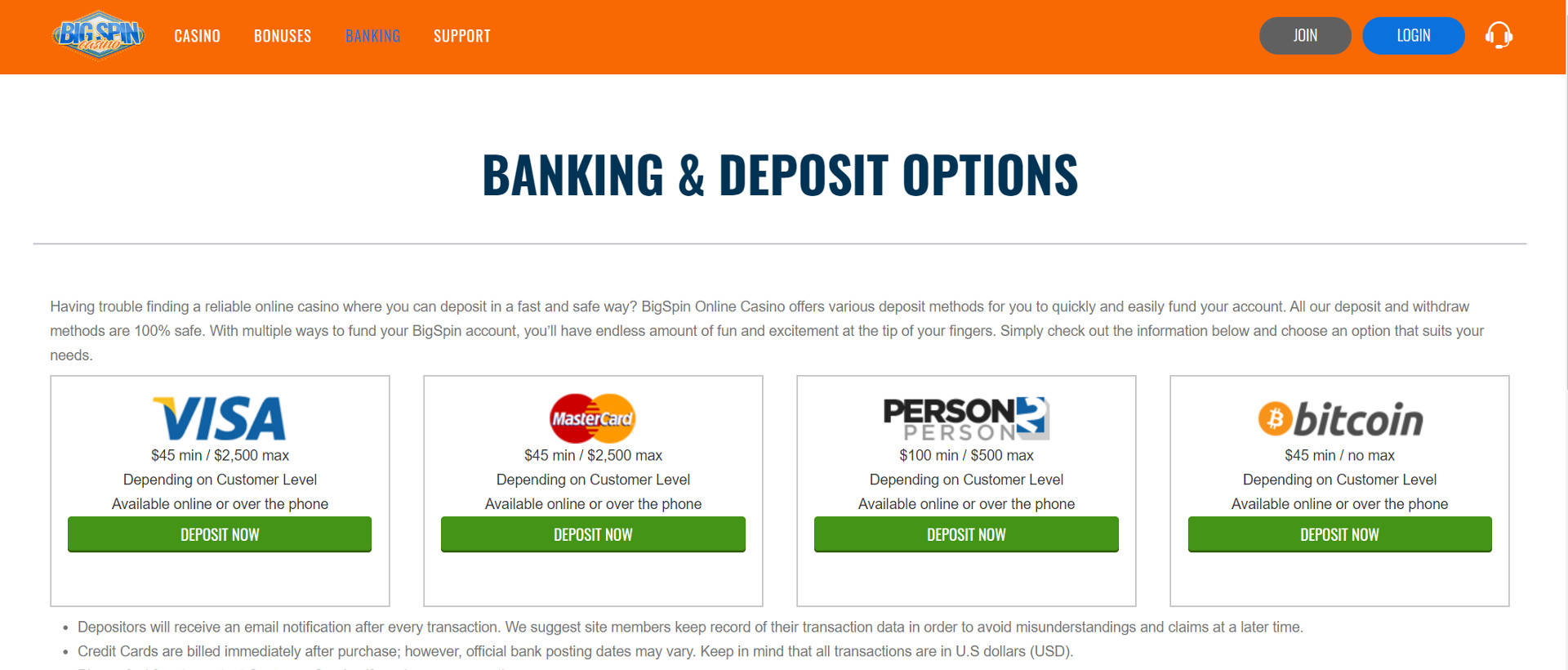
Bank cards stay the core of UK online casino transactions, and Winner Island Casino offers Visa and Mastercard provided by leading British banks. I find card deposits appealing because they need no third-party account creation and the transaction appears directly on your bank statement, making it straightforward to track spending. The downside is speed on the withdrawal side, where card payouts fall behind e-wallets by at least a day or two. E-wallets occupy the balance between simplicity and speed. PayPal, Skrill, and Neteller all are present in the cashier, and each offers unique advantages. PayPal provides an further degree of separation between your bank and the casino, which appeals to privacy-conscious players. Skrill and Neteller often handle withdrawals more rapidly than PayPal, sometimes within minutes of casino clearance, and they provide multi-currency balances that reduce conversion costs if you game across different currency-denominated platforms. The downside is that some e-wallet providers charge inactivity fees or transaction fees on the wallet part, so you need to read their terms separately of what Winner Island Casino discloses.
Prepaid options and paysafecard represent a alternative value proposition entirely https://casinowinnerisland.com/. They allow deposits without tying any bank account or e-wallet to the casino, which is ideal for strict budget management. You top up a voucher with a specific amount at a retail location or online, then input the PIN in the banking area. The restriction is that prepaid methods typically cannot be employed for withdrawals, implying you will need to register an alternative cashout method in the end. I also noticed bank transfer options, including standard wire transfers and, in some markets, instant bank payment services that utilise open-banking protocols. These instant bank methods approve deposits directly from your current account without providing card details, and they settle in real time. The selection here is truly useful because it means you can pick a method according to what you prioritise most: speed, privacy, spending regulation, or withdrawal convenience. I suggest combining a fast e-wallet for withdrawals with your preferred deposit method, even if they are different, because the casino enables you to save multiple payment tools and change between them without restriction.
Safe Betting Tools That Protect Your Finances
I see financial safety as indivisible from responsible gambling infrastructure, and Winner Island Casino offers a suite of tools that let you define hard limits on your spending before it grows beyond your comfort zone. The deposit limit feature is the most direct financial control, letting you to cap skysports.com the amount you can load into your account on a daily, weekly, or monthly frequency. I noted that reducing a limit takes effect immediately, while boosting it triggers a cooling-off period, typically twenty-four hours, which blocks impulsive decisions during a losing streak. Loss limits function similarly but monitor net losses rather than gross deposits, giving you a different angle of protection if you have a habit to redeposit after wins. Session time reminders show at configurable intervals, and while they are not strictly financial tools, they counteract the time-distortion effect that often contributes to overspending. The reality check feature shows you exactly how long you have been playing and your net position during that session, which I view one of the most underused but powerful tools for keeping awareness of your spending velocity.
Self-exclusion options vary from short cooling-off periods of twenty-four hours to permanent account closure, and enabling any of these immediately limits access to the cashier. The casino also takes part in the GAMSTOP self-exclusion scheme, which broadens the block across all UK-licensed operators registered with the service. From a banking perspective, self-exclusion initiates an automatic return of any withdrawable balance, though bonus funds and pending wagering requirements are typically lost. I also remarked the availability of reality-check pop-ups that require an active dismissal, implying you cannot simply ignore them and continue playing on autopilot. The financial influence of these tools is real: they create mandatory pauses that break the cycle of chasing losses and compel you to consciously decide whether to continue. I advise setting deposit limits during registration, before you ever make your first deposit, because doing so establishes a baseline that mirrors your clear-headed budget rather than an in-the-moment emotional decision. The platform also directs to external support bodies, including GamCare and BeGambleAware, directly from the responsible gambling page.
Frequently Asked Questions
Which is the fastest withdrawal method at Winner Island Casino?
E-wallets always offer the most rapid payout experience. Once the casino confirms your withdrawal, which generally needs twenty-four to forty-eight hours for internal processing, Skrill and Neteller transfers often finish within minutes to a few hours. PayPal is also fast but can occasionally take slightly longer according to the processing batch. Debit card withdrawals take one to three business days after approval, and bank transfers are the least speedy option, needing three to five business days. I suggest checking your account fully before submitting a withdrawal, as pending KYC checks are the most common cause of payout delays.
Is it true that Winner Island Casino apply fees for deposits or withdrawals?
Based on my review of the banking terms, Winner Island Casino does not apply its own fees on deposits or withdrawals. The amount you deposit is the amount credited to your casino balance, and the withdrawal amount matches what leaves your player account. However, your payment provider may impose fees independently. Some e-wallets levy for receiving funds or converting currencies, and certain banks impose fees for international transactions. I recommend consulting your payment provider’s fee schedule separately, because those costs are outside the casino’s control and will not appear on your casino transaction history.
Why was my withdrawal canceled or delayed?
Cancellations of withdrawals or delays usually stem from one of three concerns: incomplete identity verification, an active bonus with unmet wagering requirements, or a mismatch between your deposit and withdrawal methods. The casino may ask you to withdraw back to the same method used for depositing before allowing alternative cashout channels. If your documents were rejected, look for blurry images, mismatched names, or expired IDs. Getting in touch with support with your transaction reference number is the fastest way to identify the specific reason and fix it, as the support team can access internal flags that are not visible in your account dashboard.
Can I change my account currency after registration?
Altering your account currency after registration is generally not a self-service option. The currency you choose during sign-up becomes the base denomination for all transactions, and switching it later usually requires contacting customer support directly. In many cases, the support team will ask you to withdraw any existing balance, close the current account, and register a new one with the desired currency. This policy stands because currency conversion mid-account creates accounting complexities and potential regulatory issues. I advise double-checking your currency selection before completing registration to sidestep this inconvenience entirely.
Is my payment data protected when I deposit at Winner Island Casino?
Yes, the casino implements industry-standard security measures to protect your financial data. The entire website uses TLS encryption, which encodes information as it travels between your device and the casino’s servers. Payment details are managed through PCI-compliant gateways, and sensitive card data is tokenized, meaning the casino does not retain your raw card number on its own systems. I also suggest enabling two-factor authentication on your account for an additional security layer. These safeguards, combined with regulatory oversight from the UK Gambling Commission, create a robust framework that protects your payment information during every transaction.