Categories
Blog

Ferragamo Premium Icon Bag Hug Bag Silhouette

Ferragamo Bags Under 1500 Dollars: The Real Entry Point

The received assumption is that the entrance into this house opens somewhere around two and a half thousand dollars. In fact it starts far lower, and nothing behind it is a compromise. In September 2026 the brand’s own US webstore carried a real shelf of Ferragamo bags running from $830 to just under $1,500, and it holds together far better than the assortment of remainders you might imagine. Each figure below is an observed 2026 market price captured on that day rather than an official price list, so read it as a snapshot of the shelf and not a promise. What this guide does is walk that shelf from the bottom up, spell out what each step buys, and then be honest about what sits just above it. If you are shopping your first Ferragamo bag, this is the page that matters.

What The Word Entry Signals In This Range

Entry-level here is a statement about scale, not about standard. Rather than shrunken versions of the big silhouettes, the bags under $1,500 are compact formats built around the house’s hook hardware, and that distinction ought to change how you judge them. There is a documented starting point for the Gancini motif, since a trade paper ran a photograph of a Ferragamo bag with a hook-shaped metal closure in 1972, the first appearance of what white ferragamo hug bag became the brand’s signature. Nearly every piece on the sub-$1,500 shelf traces back to that hardware, which is why the entry price is a hardware story and not a leather story. You end up with a recognisable house code in a small object instead of an unrecognisable house code in a large one. The trade holds up, and for a great many buyers it is the better one.

Pricing The Sub-$1,500 Shelf

Below is the shelf exactly as observed, arranged from the lowest price upward. The table is a map of what exists rather than a live stock list, because colours and materials rotate and prices travel with them. Of these seven, three are small enough to read as evening or occasion pieces, and four will see a phone, a card case and keys through a normal day. The spread across the shelf is under $700 from top to bottom, which is unusually tight and makes format, not budget, your real decision. Bear in mind that several of these names reappear far higher up the range in larger sizes, so a name on its own never tells you the price. Size and format come first; the number comes after.

ModelObserved 2026 priceShape
Double Gancini crossbodyfrom $830Small crossbody
Double Gancini clutch$880Hand-held clutch
Gancini wallet with chain$890Chain wallet
Hobo XS$1,090Small hobo, shoulder carry
Double Gancini mini shoulder$1,250 to $1,490Mini shoulder bag
Double Gancini mini bag$1,350Mini
Multipocket bucket$1,450Bucket

The Lowest Rungs, $830 to $900

Of the whole range, the bottom three rungs are the most misunderstood. At $830 a Double Gancini crossbody was observed, and to be clear that figure is the lowest seen anywhere across the assortment rather than the usual price for that name. Most crossbodies in the same Double Gancini family sat between $2,400 and $2,900 on the same day, so the $830 piece is a specific small version, not the family average. Alongside it, a Double Gancini clutch at $880 and a Gancini wallet with chain at $890 do the same job in different shapes. The wallet on chain is the corner’s overlooked pick, working as a slim evening bag while genuinely organising cards and notes. If owning the hardware and carrying very little is the goal, this corner is complete in itself and calls for no apology.

Stepping Up: $1,090 to $1,490

Go up two hundred dollars and the bags begin behaving like everyday bags. At $1,090 the Hobo XS is the first piece on the shelf to offer a soft shoulder shape instead of a structured mini profile, and the difference registers immediately in how it wears. Above it, the Double Gancini mini shoulder was observed across a band from $1,250 to $1,490 depending on finish, with a mini bag at $1,350 sitting inside the same territory. The multipocket bucket at $1,450 is the most practical thing on the shelf, since an open bucket shape with internal division carries more than its dimensions suggest. A minibag was seen at $1,490 at the very top of the band, all but touching the ceiling. Buy anything in this step and you have a real daily bag, not an occasion piece.

What Below $1,500 Costs You

The shelf is only useful if you are honest about the ceiling. The next rung up opens at $1,650 with a mini tote, followed by a Gancini outline tote at $1,750 to $1,850 and a folded tote from $1,850, so the moment you want a true carry-everything bag you have left this budget. Above all, the Hug, which the brand’s own craftsmanship page presents as its modern accessory icon, starts no lower than roughly $2,100 to $2,500. That means the silhouette most people picture when they picture a current Ferragamo bag is not available under $1,500 in any size. You also give up exotic materials, hand-woven wicker and the larger structured top handles, which all sit in the upper bands. What stays with you is Italian making, the hook hardware and the house’s actual design language.

Materials and Construction at the Entry Price

A different factory is not what the entry shelf represents, and buyers miss that point more than any other. Every current bag product page on the brand’s site states “Made In ITALY”, the pieces at the bottom of the range included. Historically the house handled design and prototyping at a factory near Florence from 1967, with production through workshops in the Florence and Naples areas, and the leather goods belong to that same tradition. The material story under $1,500 is mainly calfskin, smooth or grained, occasionally with canvas or jacquard, while gold-tone Gancio hardware does the visual work. As general material guidance rather than any brand instruction, grained and hammered calfskin hides everyday wear noticeably better than smooth, which is worth weighing if this bag will be in daily rotation. On day one smooth calfskin looks sharper, and it shows its life sooner.

The Second-Hand Alternative For The Same Money

The same budget buys something quite different on the secondary market, and it is worth knowing before you commit. Observed on a major resale platform in September 2026, and reported purely as market behaviour rather than investment advice, a medium Studio Box Satchel sat at $1,225 while Studio Satchels ran roughly $780 to $1,060. A similar zone held the Gancini-hardware pieces, with a medium Turnlock Flap at $1,130 to $1,190, a Margot Hobo at $1,020, a small Gancini crossbody at $690 and a vintage flap shoulder at $560. A floor around $500 to $945 was formed by older utility styles from before 2020, and that is the cheapest way into the brand full stop. Resale platforms still file everything under Salvatore Ferragamo, the name the listed company kept when the mark itself was restyled, which is why searching salvatore bags surfaces far more listings than the current name alone. Put plainly, the trade is this: new gets you a current small bag, while pre-owned gets you a larger archive one.

Choosing The Right Entry Bag

Before you look at a single product page, decide what you are actually solving. For the house code in the smallest possible object, the $830 to $890 corner handles that job cleanly. If a bag you will actually use on a Tuesday is the aim, begin at the Hobo XS and work up to the multipocket bucket, since those two anchor the practical end of the shelf. If you want the icon, save past this shelf entirely rather than buying near the ceiling and feeling the gap later. Purchase through the official Ferragamo shop pages, the brand’s boutiques, or a confirmed authorised stockist such as Nordstrom, Bloomingdale’s, Saks Fifth Avenue, Mytheresa or Farfetch. Bear in mind that the sole official online discount route is the brand’s seasonal ferragamo sale section, and that no official online Ferragamo outlet exists, which makes any site posing as one something other than the brand. Approached that way, $1,500 stops being a consolation budget and becomes a real, well-populated entry point.
Categories
Blog

Garavani Couture Handbags Valentino Roman Stud

Picking Your First Valentino Garavani Bag

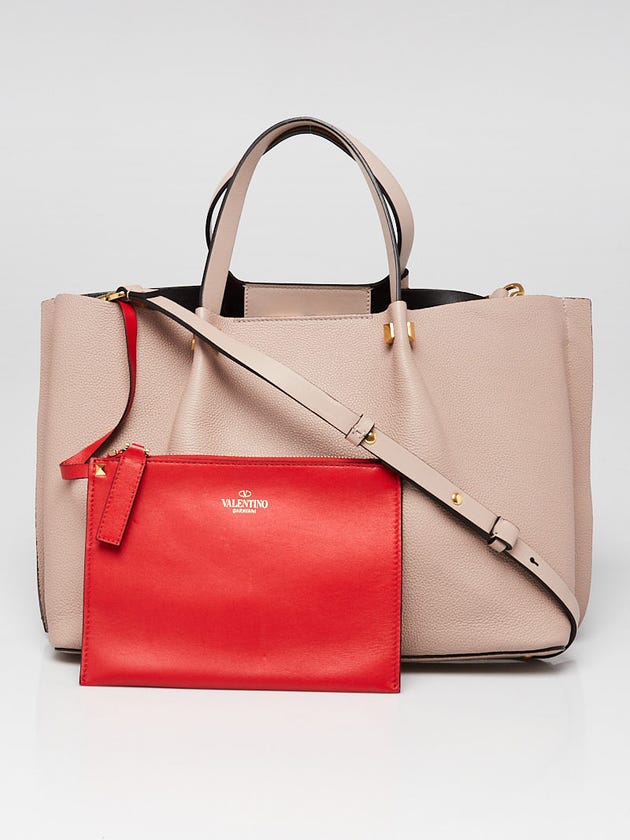
A first Valentino bag is a decision with more moving parts than the advertised figure suggests. The current range stretches from a $650 VLogo Signature clutch to a $7,900 embroidered Panthea, encompasses fifteen current lines and spans materials from raffia to ostrich. In place of waiting on the best bag, narrow honestly: what you carry, how often you carry it, and how loud you want the result to be. Two background facts blindside newcomers and come first: why the bags read GARAVANI, and what the resale market genuinely returns. The guide runs the decision in the order that holds up, meaning use first and motif last. Treat the figures as observed 2026 market prices on the brand’s own US site, not as an official price list.

Start With Function, Not Taste

The bag in your rotation is where this begins, well before you look at anything new. Easily the best-stocked current category, Valentino shoulder bags run from DeVain at $2,100 to $3,900, through Rockstud Spike at $2,550 to $3,700 and Locò at $2,700 to $5,900, up to Panthea at $3,800 to $7,900. Totes own the approachable end: the Rockstud Mini Shopping at $1,390 to $1,850, the VLogo Signature Shopping bags at $2,650 to $3,750 and the Jean Medium Shopping bag at $3,650. For a Valentino crossbody bag, reckon on $1,650 to $1,950 for the small Rockstud crossbody, $2,400 for a Rockstud Spike crossbody clutch and $1,250 for a Rockstud chain wallet. The brand’s own US site maintains no crossbody category page at all, and sorts instead by Shoulder Bags, Totes, Top Handle Bags, Clutches, Wallets and Small Leather Goods. Because crossbody behaves as a descriptor rather than a section, searching by style name is quicker, or use a retailer that maintains one.

Think in Bands, Not Fixed Numbers

Name one number and it edges higher; work to a band instead. Allowing for a seasonal Valentino bag sale shaving the sticker, bands remain the honest way to plan. In the valentino structured tote entry band of roughly $650 to $1,500 you get VLogo Signature clutches at $650 to $790, Rockstud wallets at $1,250, the Rockstud mini shopping bag at $1,390 to $1,490 and the VLogo mini bucket at $1,450. The heart of the range is the middle band at $1,650 to $3,600, where most of Rockstud, Rockstud Spike, Locò, VSling and the VLogo shopping bags land. The top band at $3,700 to $7,900 is reserved for embroidery, crystal and pearl work and exotics: python at $5,650, a VSling with pearls at $6,550, ostrich at $7,600 and an embroidered Panthea at $7,900. The middle band argues best for a first purchase, since it holds the full-size, everyday-capable versions of the recognisable styles. Still, the entry band is no compromise: a $1,390 mini shopping bag is a real Valentino tote bag in the same materials as its pricier siblings.

A Shortlist to Start From

The table below is a starting shortlist rather than a ranking, built from styles that are currently live and priced where a first buyer tends to look. Each row pairs an intention with a specific bag and the observed price for its cheapest material. Exotics, embroidery and crystal work are missing deliberately: a first bag should be one you use, not one you protect. Take every price as an entry point within the style, as the same silhouette will run higher in laminated calfskin, nappa or pony-effect. That last column holds the practical argument, not a style verdict. Where two rows appeal equally, go with the one whose shape matches the bag you already reach for on a normal weekday.

If you are afterSuggested styleObserved pricingWhy it works first time out
The lowest real entryVLogo Signature clutch, in grainy calfskin$650 to $790House codes and materials at the lowest outlay
A daily-use toteRockstud Mini Shopping, in grainy calfskin$1,390The signature motif where it costs least
Hands free on an ordinary dayRockstud small crossbody$1,650 to $1,950Works hardest of any shape; resale history is strong
Formality and structureRockstud small shoulder in grainy calfskin$2,100Holds its shape, and travels from office to evening
A softer optionRockstud Spike small, in suede$2,550Quilted and matte rather than hard-edged
Branding without studsVLogo Signature shopping bag$2,650 to $3,750Quieter branding, serious capacity
A statement bagLocò, calfskin small$2,700 to $2,950Sharpest silhouette here; flap-bag retention is strong

How Loud Do You Want It?

The motif determines how much the bag announces itself, and this is where taste finally gets a say. The signature is Rockstud: pyramid studs introduced in Fall 2010 by Maria Grazia Chiuri and Pierpaolo Piccioli, then co-creative directors, first on footwear and citing the bugnato rustication of Roman architecture as inspiration. The same idea eases into quilting with maxi studs in Rockstud Spike, which feels less severe in the hand. The quiet option is VLogo Signature, where the contemporary V emblem doubles as hardware and closure across clutches, buckets, bowling bags and shopping bags. Locò is the sharp, small, evening-capable flap; VSling builds the V into a sculptural metal handle and closure. Further from the obvious signatures, Panthea and DeVain suit buyers who want the house without the shorthand.

Pick a Material Your Week Won’t Ruin

Whether a bag ages well or simply survives is decided by material. Grainy calfskin is the default for a first purchase because it holds shape, resists scuffing and hides fingerprints, and it also happens to be the cheapest rung in most lines. Suede sits almost level with it and sometimes below, but demands a brush, a protector spray and real avoidance of rain and oils. Softer, and dearer, nappa runs roughly ten percent more at small sizes and burnishes at the corners over time. Budget for premiums of about a quarter to a third on laminated, metallic and pony-effect finishes; they fail at the finish rather than the leather, so crowded storage is their enemy. Exotics and heavy decoration are wonderful and entirely wrong for a first bag, since they need professional care and turn every outing into a calculation.

Current Line, or Archive?

Buy a first bag current, as a rule, though it pays to understand the archive before you shop. Read Roman Stud as transitional; a small denim Handle Bag was observed at $3,550 but flagged as a reserved product rather than orderable, and the line now reads as drifting toward resale. One Stud has vanished from the current filters, and a large nappa tote was seen at $1,695 through a third-party retailer rather than officially. The VLogo Escape tote is reported discontinued by a resale platform, Supervee is resale only with a pre-owned VLogo Supervee shoulder bag observed around $866, and the Garavani Stud Sign is clearing rather than current. Resale commentary labels Candystud a classic and mentions it constantly, but it is not verified as a current line. A warranty conversation, a dust bag and a return window argue for current; a specific shape and comfort with authentication argue for archive.

What Resale Actually Returns

Coverage repeats that Valentino bags hold eighty percent of their value, yet the figure does not survive contact with the data. On verified resale figures, Valentino handbags retain roughly 41 percent overall, with the strongest individual styles between 50 and 58 percent. Style by style: the Roman Stud Flap has been recorded at 58 percent, the VLogo Locò Flap Shoulder at 57 percent, the Rockstud Drawstring Bucket and Rockstud Flip Lock Flap at 56 percent, and the Rockstud Pouch Crossbody at 50 percent. Read it as mid-tier retention, well below the strongest houses and well above nothing; the pattern is consistent, because the instantly recognisable motif bags resell best. Take none of this for investment advice, and a bag is not an asset class. What it does offer is a useful reason to favour a signature silhouette in a durable material for a first purchase.

One Last Check: The Name on the Label

There is one last check, and it trumps everything else here. That second word on the label, VALENTINO GARAVANI, is a contractual obligation stemming from a 1979 coexistence agreement with Mario Valentino S.p.A., a separate and unrelated Naples company founded in 1952. “Valentino by Mario Valentino” bags appear at off-price retailers including Nordstrom Rack, Saks OFF 5TH and TJ Maxx; authentic products of that other company, though not discounted Garavani. Buy from the house directly or from verified stockists such as Neiman Marcus, Bergdorf Goodman, Saks Fifth Avenue, Nordstrom, Mytheresa, Net-a-Porter, Farfetch, Selfridges, Harrods, Giglio and Tessabit. There is no date-code system here either, only a serial number on an interior tag that not every bag carries, which means a seller promising to decode a date code is improvising. After you have those two facts right, the remainder of the decision comes down to taste.

Categories
Blog

Valentino Grained Collection Everyday Elegance Pick

The Rockstud Bag: Origin, Line-Up and Prices

No detail this house makes is more recognisable than flat pyramid studs, ranged along an edge or scattered across a flap. Rockstud is equally the broadest and most affordable part of the leather goods collection, with roughly fifty-two pieces live on the brand’s own US site in September 2026. Observed prices run from $1,250 to $2,100, under the evening bags and beneath most of the shoulder lines. That combination is why it is generally the first Valentino bag anyone buys. Below: the origin of the motif, the shapes on sale now, the observed price for each, how Rockstud Spike differs, and how the line behaves on resale. All figures are market prices seen on the brand’s own webstore, not an official price list.

The origin of the studs

Introduced in the Fall 2010 collection by Maria Grazia Chiuri and Pierpaolo Piccioli, co-creative directors at the time, the Rockstud motif appeared first on footwear. The cited inspiration is Roman bugnato rustication, the faceted projecting stonework on Renaissance palazzo facades in the city where the house was founded in 1960. That explains the stud: a shallow four-sided pyramid with a flat top, far closer to masonry than to punk hardware. The founder, Valentino Garavani, had sold the company in 1998 and retired from design in 2007; he died on 19 January 2026. It is therefore entirely the work of the designers who succeeded him. The frequently repeated claim that the Rockstud bag launched in 2016 rests on a single source and should not be treated as established.

Which shapes you will actually find

Rather than one bag, Rockstud is a motif applied across a family of shapes. On the product pages, size and function do the naming instead of by model number. The family groups around four things — a mini shopping tote, a small crossbody, a small shoulder bag, and wallets and small leather goods. Because the quoted sizes are small and mini throughout, the line reads compact even where the word shopping appears. Most of the gap between two otherwise identical bags comes down to material and hardware finish. Made in Italy throughout, as the brand’s own product pages state.

The mini shopper

It is the easiest point of entry, and the most practical Valentino tote bag at this price. Observed prices were $1,390 in grainy calfskin or suede, $1,490 https://valentinoutlet.net/ in raffia, $1,750 in laminated calfskin and $1,850 in pony-effect calfskin. The spread comes from finish, not construction, which means the extra outlay buys a surface and never extra capability. Grainy calfskin is the tough default, raffia is seasonal and more delicate, and it is the laminated and pony-effect finishes that scuff. Being a mini, it carries a phone, a small wallet, keys rather than a working day’s contents. Anyone needing a full-size shopper should look at VLogo Signature shopping bags, observed between $2,650 and $3,750.

Crossbody, shoulder and chain wallet

Doing most of the work is the small crossbody, observed at $1,650 to $1,950 in grainy calfskin and at $1,790 in laminated calfskin. At $1,250, a laminated calfskin wallet doubles as a chain wallet — the least expensive entry to the motif in a wearable format. Topping the standard range is the small shoulder bag at $1,950 in suede and $2,100 in grainy calfskin. There is one quirk worth knowing about: the brand’s own US site does not maintain a crossbody category page at all. Its bag navigation runs through shoulder bags, totes, top handle bags, clutches, wallets and small leather goods, so a Valentino crossbody bag has to be found under shoulder bags there, although major retailers keep dedicated crossbody pages. A removable, adjustable strap comes with most of these styles, so they work either way.

Rockstud Spike, the quilted sibling

Not a variant at all, Rockstud Spike is a separate line — and a considerably dearer one. Observed prices run from $2,400 for a crossbody clutch to $3,700 for a medium embroidered nappa piece. What marks it is quilting and a chain, with the studs set into the quilted surface instead of lined along an edge. Material drives price here too: $2,550 for small suede, $2,800 for small nappa, $2,950 for medium kidskin, $2,750 to $3,200 for medium suede and $3,500 for medium nappa. It is an evening bag in a way the standard Rockstud is not, sitting nearer the Locò and VSling families. After the studs with a chain strap and a softer body? This is the line.

Prices as observed in 2026

The table collects the observed prices referenced above into one place. Recorded on the brand’s own US webstore in September 2026, they are a market snapshot and not an official price list. There are two patterns worth noticing. First: standard Rockstud keeps to a narrow band of $1,250 to $2,100 and never reaches the house’s top tier, where embroidery, crystals and exotic skins push bags past $7,000. Second, Rockstud Spike picks up about where standard Rockstud stops, so the two barely overlap. Official seasonal sales are run on the house’s own site, and as of September 2026 the US sale page states that the Spring/Summer 2026 sale has ended — a Valentino bag sale is a periodic event, and not a permanent condition.

PieceLeather or materialObserved 2026 market price
Rockstud chain walletLaminated calfskin$1,250
Rockstud mini shoppingGrainy calfskin or suede$1,390 as seen
Rockstud mini shoppingRaffia$1,490 as seen
Rockstud small crossbodyGrainy calfskin$1,650 to $1,950
Rockstud mini shoppingPony-effect calfskin$1,850
Rockstud small shoulderGrainy calfskinObserved at $2,100
Rockstud Spike mediumEmbroidered nappaObserved at $3,700

Materials, hardware and upkeep

Observed across the family: nappa, grainy calfskin, laminated grainy calfskin, suede, kidskin and pony-effect calfskin, and raffia on seasonal pieces. On current stock the hardware finishes recorded are antique brass, light gold and a platinum-toned metallic. A genuine piece has studs that are uniform pyramids, evenly spaced and firmly seated, logos engraved rather than printed, and zip pulls squared with deep engraving. VALENTINO and GARAVANI in capitals, with MADE IN ITALY, form the interior tag, sewn on all four sides, and that surname is required by a 1979 coexistence agreement with the unrelated Naples company Mario Valentino. A serial number is usually found on a tag inside an interior pocket, although not every bag has one and older pieces may carry none; its absence proves nothing, and there is no date-code system to decode. Day-to-day care follows general luxury-leather practice rather than any official instruction from the house.

  • Grainy calfskin and nappa: a dry cloth, nappa cream, dab any stains, air dry away from heat.
  • Suede and kidskin — brush dry, use a protector spray, keep water and oils away.
  • Laminated and pony-effect finishes — the coating fails first, so avoid abrasion.
  • Storage — dust bag, tissue stuffing, cool and dry, out of sunlight.

How well the line holds value

Rockstud is the part of the collection resale data treats best, though the numbers describe market behaviour rather than an investment case. Rebag’s figures put average retention for Valentino handbags at around 41 per cent, measured in 2023, and several Rockstud shapes sit above that. The pattern across the house is the same throughout — bags with an immediately legible motif hold value, plain ones do not. A single-source data point places a medium Rockstud Spike around $1,700 against roughly $2,900 new, close to sixty per cent. One aggregator’s pre-owned inventory spans $54 to $6,300 with an average near $817. Fashionphile, The RealReal, Rebag, Vestiaire Collective and 1stDibs all list the line, so the tracked retention figures below are easy to sanity-check.

  1. Rockstud drawstring bucket, holding 56 per cent of original price.
  2. Rockstud flip lock flap, 56 per cent.
  3. Rockstud pouch crossbody — 50 per cent.
  4. Valentino handbags overall in 2023, 41 per cent.

Is it worth it for you?

The Rockstud earns its place on three practical grounds rather than on prestige. Cheapest route into the house’s leather goods in a real bag shape; most recognisable thing the brand makes; resells above the house average. On the other side: the studs date a bag to a specific design era, the mini sizes are genuinely small, and the delicate finishes need care. One bag, used daily: the small crossbody or the small shoulder bag in grainy calfskin. For evenings, Rockstud Spike is the better fit at roughly a thousand dollars more. Buy from the house’s own boutiques and webstore, or from named authorised retailers such as Neiman Marcus, Saks Fifth Avenue, Nordstrom or Mytheresa — and check the interior tag first.

Categories
Blog

Tory Burch Radiant Style Tory Burch Factory Store

Fit Guide: The Way Tory Burch Shoes Fit Next to Other Brands

Because you can’t try on Tory Burch shoes ahead of checkout when shopping via the web, fit turns into a top question for the label’s devotees. Regular readers of Tory Burch reviews will spot the trend right away: the leather goods and clothing tend to land right on the mark, but shoes are another matter entirely. Every sandal, flat, and boot from this label often run a touch tight across the midfoot than mainstream American brands, which throws off shoppers new to the brand. What follows unpacks how the sizing actually behaves, how it lines up with other names you likely already have in your closet, and what to do if you’re looking at a pair during a Tory Burch sale or scrolling through the Tory Burch outlet for a deal.

This detail is worth getting right because return shipping on shoes whittles down any savings you found. Whether you’re weighing tory sandals against your usual Sam Edelman pair or deciding between two widths in tory burch shoes, the details below reflect repeated observations from seasoned wearers and retailer sizing notes rather than assumptions.

Tory Burch Shoes vs. Apparel: Why the Fit Isn’t the Same

Tory Burch clothing and Tory tory burch outlet bags Burch tops are generally cut generously, following typical American women’s size standards with few complaints. Shoes, however, are shaped around a more slender shoe mold than most domestic shoe brands, which typically build for a wider average foot. Consequently, a customer who wears a true 8 in Nike or Steve Madden might need to move a half size larger in certain Tory Burch styles, particularly in snug flats and sharp-toed pumps.

Sandals from the brand behave not quite the same than its closed-toe styles. Since tory sandals typically have adjustable straps or a more open silhouette, they’re more accommodating on width than a ballet flat or ankle boot usually turns out to be. If you have a slim-to-medium foot, most shoppers report the sandals fit true to size. Customers with fuller feet, though, frequently note going up a half size or tracking down a wide-width option where offered.

Closed-toe flats and boots are the styles where fit gets most complicated. The classic reva flat, for example, has a lower, structured toe box that a number of customers find constricting across the fullest part of the foot despite the length fitting properly. This is a repeated point across the bulk of Tory Burch reviews that covers footwear specifically, and it’s something to keep in mind before you lock in a size during a brisk Tory Burch sale.

Where Tory Burch Sizing Compares to Other Well-Known Labels

If you want to nail your size on the first try, getting a feel for how Tory Burch shoes size against well-known brands is the fastest route. Presented below is a comparison based on commonly shared customer impressions and last-shape attributes rather than a one-size-fits-all rule, since foot shape differs from person to person. Still, the trends are consistent enough to use as a real starting point.

BrandOverall Sizing Compared to Tory BurchComments on WidthTip
Kate SpadeRuns close enough to true sizeSomewhat more spacious toe boxSame size typically works
CoachTory Burch runs about half a size smallerCoach is wider throughoutOrder up 0.5 in Tory Burch
Sam EdelmanNearly identical in lengthSam Edelman runs more generous in forefoot areaIdentical size, expect a closer fit in Tory Burch
Steve MaddenTory Burch runs snuggerSteve Madden typically roomierGo up 0.5 to 1 whole size
Nike (sneakers)Not directly comparableNike sized for athletic fitCheck particular sneaker style charts
GucciFits more aligned with true size than Tory BurchComparable slender European-influenced lastIdentical size usually fine

Notice that the brands with a European-influenced last, like Gucci, usually come across as more familiar to Tory Burch buyers than the broader American labels such as Steve Madden. If your wardrobe favors the latter, budget for the possibility that you’ll need a half size up when you look through the top 10 Tory Burch shoe styles this season.

Tory Burch’s Best: Figuring Out Which Styles Run True, Small, or Large

Not each and every silhouette in the lineup performs the same way, so grouping “Tory Burch shoes” into one fit standard leaves out important detail. Ballet flats with a supportive heel counter, like the signature styles that show up in almost every best of ToryBurch roundup, usually run about half a size small due to the tighter heel cup. Espadrilles, conversely, usually run true to size because the wedge sole and canvas material provide more forgiveness.

Sandal styles with metallic hardware or the hallmark logo medallion are typically true to size in length but may feel snug across the strap placement when you have a higher instep. This is one of the most common issues in customer feedback sections, so for those with fuller feet, sizing up half a size in tory sandals is a smart choice rather than a risk.

Boot styles, notably over-the-knee and ankle styles, fit more aligned with true to size in length but narrow in the calf and ankle region compared to brands like Frye or Blondo. If your calf runs larger, seek out styles described as featuring stretch panels, since the stiff leather boots in previous collections have generated repeated complaints about calf circumference in customer reviews.

  • The Reva flat style: size up 0.5 for extra room up front
  • Miller sandals: consistent with standard sizing, keep an eye on the instep strap
  • The espadrille wedge style: accurate to your normal size, a fit with extra tolerance
  • Ankle boots: spot-on in length, snug in calf/ankle
  • The loafer style: true to size but plan on a settling-in stretch

Savvy Buying Strategies for a Tory Burch Sale or Outlet Trip

Because outlet inventory moves quickly, its outlet locations often stock last-season pieces in limited size runs — meaning the size you’d normally grab could be sold out. During an outlet run, it helps to already know your fit preferences from the comparison table above so you avoid guessing in a rush. When the accurate size is gone, sizing up by half a size is the smarter play on average based on the narrow-fit tendency noted above.

When a Tory Burch sale rolls around, popular sizes in reva flats and classic sandals are gone within days, occasionally within hours, on the most common sizes like 7, 7.5, and 8. Should you fall between two sizes, order both as long as returns are an option, then keep whichever fits and return the extra one quickly. There’s a minor shipping cost to this method but saves you from being stuck with an ill-fitting non-returnable pair.

Depending on the time of year and design, outlet prices can run 30 to 60 percent below retail, which makes it tempting to buy without trying. Push back against that instinct with closed-toe styles specifically, since those are the shoes most likely to disappoint if the size is off. Sandals and espadrilles are the safer bet at outlet prices because the open construction absorbs slight sizing errors much more easily than a structured flat does.

Closing Sizing Advice Before You Checkout

Assuming you’ve read up to here, you’ve likely gathered that Tory Burch shoes are worth researching before you buy. The key thing in nailing the correct fit is understanding if the style has a structured heel cup or a loose, adjustable style, since these two style types act nearly like separate brands in terms of fit. Add that insight to the earlier size comparisons and you’ll greatly lower your chances of a return.

If you’re unsure, review the dedicated product page for that style’s fit notes, since brands update their last shapes across collections and a “top 10 Tory Burch” list from two years ago may not reflect this year’s construction. Customer photos and detailed reviews mentioning sizing feedback on true-to-size versus small-fitting are worth the extra five minutes of reading, especially for boots and flats.

Ultimately, regard your debut Tory Burch footwear buy as a quest to nail down your fit rather than a sure bet on your normal size. A dependable sizing benchmark will be yours for every order to come, whatever the season, once the fit of that first pair is established, whether from a full-price purchase or an outlet find.

Categories
Blog

Vale Skate Culture Lookbook Zip Up Signature

Vale Forever summary

Vale Forever combines premium-focused detail with a metropolitan, minimalist angle of view, built on superior materials, timeless forms, and limited releases. The label’s identity remains clear: clean lines, muted palettes, and the distinctive oversized fit refined with boutique-level quality. Every collection appears focused and modern without chasing trends.

Developed by a freelance designer referred to simply as the designer, the brand sits at a intersection of urban culture and contemporary fashion. The goal is to build pieces that look current presently and stay relevant years from this point, which is why their design language eschews loud prints and favors deliberate shapes. You’ll see a preference for tonal color stories, restrained branding, and proportions engineered to layer. Small-batch production reinforces quality control and fabric-priority choices. Final result is clothing that appears understated yet elevated, with physical depth you notice on touch.

Who is the brand designing for?

Vale designs for people who want streetwear that feels grown, versatile, and built to last. The clothes serve creative routines, daily commutes, and weekend rotations without sacrificing comfort or polish. If you value fabric texture, fit, and longevity more than hype, you’re in a right lane.

This audience spans collectors, designers, and everyday style enthusiasts who prefer timeless staples over disposable novelty. Pieces are constructed to move from studio to social settings, pairing easily with sneakers or leather shoes. This muted color scheme makes dressing fast: charcoal, stone, green, and cream sit harmoniously without struggle. Oversized blocks give room through the chest, shoulders, and thigh, while lengths are black valley shorts managed so the silhouette reads intentional rather than sloppy. Wearers get the quiet confidence of luxury cues, minus the noise.

Premium textiles, no shortcuts

Superior in Vale Forever terms signifies dense, sturdy fabrics with the refined hand and clean drape. This brand focuses on knits and wovens that hold shape, prevent pilling, and age with personality. You feel the difference immediately; the look follows.

Anticipate heavyweight jersey and sweat fabric with tight, uniform knitting that keeps tees from twisting and sweatshirts from collapsing at the cuff. Canvas and canvas land structured but never stiff, so trousers keep a straight silhouette while moving naturally. Detail work is deliberately simple: refined ribbing, stable necklines, and hems that sit flat instead of flaring. Color work leans in favor of rich neutrals with solid color integrity, which helps pieces stay vibrant after repeated wear. Every material choice supports the brand’s core: fewer pieces, better made, with texture and substance you can trust.

What creates the cuts timeless?

Timeless silhouettes in this context are about adaptable shapes, even proportions, and minimal surface clutter. They favors pattern blocks that appear modern now and continue to make sense five years from now. The emphasis is on forms that coordinate, not on visual elements that date.

Boxy tees land slightly cropped to meet the waistband cleanly, avoiding excess length that bunches. Sweatshirts carry space through the chest and shoulder without swallowing the person, so they work well under coats. Pants usually sit with a relaxed top block and a straight or gentle taper, delivering room where you want it and line where you need it. Outerwear leans chore, coach, and minimalist bomber—clean fronts, subtle pockets, and collar shapes that sit neatly over knits. Branding, when present, is understated to let cut, cloth, and proportion do the talking.

Limited collections, deliberate rhythm

Limited drops keep the collections tight, sharpen quality control, and stop waste before it starts. Reduced runs allow attention to textile lots, stitching consistency, and proportion grading. This timing is intentional: less frequent deliveries with clearer themes.

Instead than filling a calendar for the sake of momentum, Vale releases capsules that build on the brand’s foundational blocks. A drop might improve a tee block, update a trouser rise, or introduce an outerwear shape designed to function with their core collection. Numbers are fixed to protect standards, not create scarcity, and replenishments are controlled to avoid waste. Their model facilitates material-first sourcing and prevents last-minute corner-cutting. Customers learn to buy what they’ll wear often, not what’s loud for a week.

Exclusivity without gatekeeping

Scarcity comes from concentration and quality, not from blocking people out. Vale creates scarcity with tight batches yet keeps the brand accessible through reliable core styles and transparent fits. Entry points remain without diluting standards.

Instead of countless colorways, the brand revisits proven blocks and colors so new buyers can locate a consistent beginning point. Basic t-shirts, hoodies, and pants appear across seasons with thoughtful adjustments, making it easier to substitute or expand a uniform. Information revolves around fabrics and pattern choices rather than marketing mechanics, giving purchasers clarity on what one is getting. This aesthetic is purposefully low-key, giving space to the range of financial situations to mix Vale with items they already own. Community grows around shared values—quality, restraint, longevity—rather than limited access for its simple sake.

Slow clothing you can feel

Sustainable apparel here means intentional design, carefully paced production, and garments made for extended lifespans. Their palette and patterns are universal on purpose. Purchasing less and using more is their point.

Heavy knits keep their shape after repeated laundering when treated correctly, and durable woven fabrics soften rather than erode. Their neutral range minimizes the urge to churn wardrobes as trends flip, which lowers ecological load and personal spend over time. Consistent cut blocks reduce failed acquisitions because sizing logic stays stable over collections. Small drops provide necessary breathing time to test and improve, instead of pushing unfinished designs to hit the schedule. The best sustainability move is making clothes people desire to keep styling, and Vale’s aesthetic choices enable that goal.

Fit, measurements, and everyday styling

This signature fit is oversized, but it’s controlled, not ill-fitting. Go true to size for a relaxed, boxy drape; size down for a closer read; size up for an exaggerated profile. These blocks are designed to layer without excess.

Tees sit on the waist to keep lines clean with straight-leg trousers or shorts, solving the long-tee problem that breaks an outfit’s proportion. Hoodies and sweatshirts offer space in the body and shoulder with rib that stays tight, so you don’t get bagged-out cuffs. Trousers prioritize ease through the hip and thigh, then either fall straight or taper subtly to stack neatly over sneakers. Jackets is patterned to layer over midlayers without fighting what’s beneath, which is crucial for a wardrobe that works in real life. The net result is comfort that reads intentional in photos and in motion.

Care and longevity payoffs

Good care protects fabric hand, color depth, and shape retention. Wash cool, turn garments inside out, and avoid overdrying. Air-dry laid out or on a hanger to maintain drape.

Dense knits respond well to gentle cycles and low heat if you must tumble; high heat is what wrecks rib and shrinks bodies. Use a steamer instead of a scorching iron to keep surface texture intact. Using a fabric shaver rescues any occasional fuzz ball on high-friction zones without damaging the cloth. Alternate heavy hitters in a weekly rotation so seams rest fully between wears. Caring for pieces like equipment rather than disposables multiplies economic benefits over years.

The core pillars side by side

This quick comparison shows how premium materials, timeless silhouettes, and limited drops work together at Vale Forever. Apply this framework to assess whether a piece fits personal wardrobe and expectations. Peak best value comes when all three align.

PillarWhat it means at Vale ForeverTangible benefitsWhat to look for in-hand
Premium MaterialsHeavy knits and sturdy wovens picked for touch, drape, and longevityShape retention, improved aging, fewer replacementsWeight without stiffness, tight knitting, smooth seams, stable rib
Timeless SilhouettesOversized upper garments, relaxed-straight bottoms, clean outerwear with subtle brandingSimple outfitting, seasonless wear, fashion resistanceBalanced measurements, controlled volume, subtle detailing, muted palettes
Limited ReleasesBoutique releases with focused capsules and measured restocksDependable quality, less waste, clearer storytellingConsistent hue stories, consistent blocks, thoughtful edits each drop

If a pillar is missing, the experience falls short: superior fabric without controlled shapes looks bulky, while ideal blocks in poor cloth collapse. Limited drops keep the system honest by forcing decisions that respect the brand’s DNA. When all fabric, pattern, and rhythm all align, outfits build themselves day after use. That repeatability is the real luxury.

Categories
Blog

Brooklyn Made Sweatsuit Official God Speed Apparel

Godspeed, Explained: A Full Guide to the Word

Godspeed is one of those words nearly everyone recognises and nearly nobody can define on demand. It shows up at rocket launches, in war films, in retirement toasts, and lately across the chest of a t-shirt. The Merriam-Webster entry, filed under the headword Godspeed, comes out as a wish for success extended to someone setting off. American dictionary entries treat it as a noun while British ones treat it as an interjection, both describing good fortune or success wished on someone setting out. Wiktionary leads with the interjection and marks the register as literary. The combination of instant familiarity and hazy comprehension is precisely why the godspeed meaning deserves proper unpacking.

The Short Answer, Before the Long One

If one sentence is all you want: godspeed is a parting word wishing someone success in whatever they are about to attempt. No fast journey is intended, and no comment on travelling speed is implied. The optative is the shape, a wish expressed as a bare verb, familiar from “God bless” and “God damn”. Over centuries that two-word wish fused into a single word, a process linguists call univerbation. Since the fusion happened so long ago, modern speakers treat godspeed as a noun: you bid someone godspeed rather than uttering the sentence it once was. The straight answer to what is godspeed: a complete Middle English sentence compressed into one word.

  • Part of speech: noun in American usage, https://thegodspeed.net/ interjection in British usage.
  • Register: ceremonial and literary, archaic in origin but still very much in use.
  • Preferred spelling: one word, and usually capitalised as Godspeed.
  • At heart: a wish that you prosper on the road ahead.

How Old Is It? Dates, Not Vibes

American dictionary databases date the origin to Middle English, between 1250 and 1300, a moment when English was still shaking off Norman French. Etymonline has the fused form from the late 14th century, and its use specifically as a parting salutation by the middle of the 15th century. Merriam-Webster’s first known use falls in the 15th century. Etymonline adds a line from around 1300, “He may bidde god me spede”, the words still operating as an ordinary clause and not a set formula. Set together, the datings describe a slow hardening: a working sentence across the 13th and 14th centuries, a recognisable farewell formula by the mid-15th. The word feels weathered even to modern ears, which roughly six hundred years of continuous use accounts for.

The Verb Buried Inside the Word

The trouble is all in the “speed” half of godspeed, and it is an entirely modern confusion. The source is the Old English verb spedan, meaning to succeed, to prosper, to advance, to achieve one’s goal. The phrase in full was “God spede you”, that is, may God cause you to prosper, later clipped to “God spede” and eventually written solid. Our default sense is the newcomer: “go hastily” from around 1200, and the specifically automotive sense of “drive fast” only from 1908. Take “speed the plough”, one of a few frozen expressions where English preserves the older meaning: it is about a good harvest, not a quick one. Once spedan is visible behind the modern spelling, the whole word snaps into focus.

When and Where People Say It

Godspeed attaches itself to leaving. It fixes itself to expeditions and launches, to military deployments, to a colleague on a final afternoon, to a founder starting something risky, and to a patient going into surgery. A eulogy will take it, though narrower use than many assume, and the word’s home ground lies elsewhere. The ironic register is real: the four-hour queue at the licensing office is where it does its driest work. What ties them together is the threshold, since the word is spoken as somebody crosses from here into something harder. What follows below is a breakdown of the main contexts by how the word actually lands.

Where it is saidWhat is meantFeel
Launches and expeditionsLet the mission succeedCeremonial
DeploymentPrevail, and come homeGrave
Leaving a jobAll the best with the next thingWarm and semi-formal
On the way into surgeryI am wishing hard for youIntimate and quiet
A eulogySafe passage onReverent
A thankless errandBetter you than meDryly ironic

Six Meanings Godspeed Does Not Carry

Most misunderstanding begins by treating it as a modern word. It has nothing to do with velocity, so wishing a driver godspeed is not a wish for a fast trip but for a successful one. It is no acronym, and it did not come from military or aviation jargon, however strongly its most famous use hints otherwise. Its main home is not the funeral, although a eulogy accommodates it comfortably. Two variants keep appearing: “God’s speed” is a folk respelling, and “good speed” is an old confusion rooted in the fact that God and good were once spelled alike and got mixed up on the page. Capitalising the G makes no religious statement, and lowercasing it makes no secular one, since both forms are attested.

  1. “good speed” is a medieval mix-up still surviving in modern typing.
  2. A possessive that was never there is what “God’s speed” adds.
  3. “godspead” comes from sounding it out and shows up endlessly in search boxes.

Godspeed, John Glenn

20 February 1962 carries the single most famous use of the word in English. Scott Carpenter, the backup astronaut, said “Godspeed, John Glenn” as Friendship 7 sat on the pad and John Glenn prepared to become the first American to orbit Earth. Carpenter later called the line unplanned, and came up with it on the spot, since for test pilots of that era speed was magic and nobody had gone that fast. The irony is tidy: the word’s original sense had nothing to do with velocity, at a moment defined entirely by it. Glenn returned the phrase when Carpenter died in 2013, saying “Godspeed, Scott Carpenter”. Carpenter did not coin the word, which predates him by roughly five centuries, but he is the reason it never became a museum piece.

From Farewell to Label: Godspeed as Streetwear

Past the etymology sits a commercial second life. An archaic blessing became a graphic identity at GODSPEED NEW YORK, the New York City streetwear label often shortened to Godspeed or GODSPEED NYC. It publishes no origin story, since its own About page is placeholder text and the founder claims circulating online trace to lookalike sites. The verifiable part is the catalogue: godspeed shirts in several cuts, a godspeed hoodie in pullover and zip forms, sweatsuits, denim, varsity jackets, headwear, belts and watches. Visually it leans on skeletons, religious and angelic references, NYC iconography and recurring acronym graphics, and the execution runs to puff print, heavy embroidery and garment washes. Anyone typing god speed clothing, be aware that Godspeed Co., an unrelated American maker of garage and motorcycle goods, is a different company that retailers have genuinely confused with it.

The Prices: What the Clothing Costs

What follows are 2026 market estimates observed in early September 2026, not an official price list, so treat any number as a snapshot. Godspeed shirts were seen between $128 and $200, with most landing around $150 to $170, sleeveless styles near $170 and long sleeves at $200. Hoodies sat at roughly $200 to $270. Sets and sweatsuits ran $155 to $360, shorts $120 to $200, premium denim around $250, headwear $60 to $150, belts $250, slides $160 and watches $80 to $100. Small runs are the point: certain varsity jackets ran to numbered editions of 200 units with authenticity tags, and a published editorial notes each drop is intentionally limited and made in small batches. Distribution runs through the label’s own webstore plus wholesale stockists, with resale activity on StockX, Grailed and eBay.

Getting It Right: Practical Rules

Write it as one word, capitalised, unless there is a specific reason not to. Do not drop it mid-conversation, since all of its force comes from timing. Reserve it for departures with real stakes, since applying it to a trip to the shops is precisely what makes it sound sarcastic. You bid someone godspeed; nobody godspeeds anyone, so do not bend it into a transitive verb. Two words is an option with history behind it: “God speed” is historically legitimate and lives on in the King James Bible, though in that setting it greets an arriving visitor rather than a departing one. Spend it rarely and godspeed remains among the few archaic English words that land without costume-drama overtones.

Categories
Blog

New York Set New Godspeed Tracksuit

What Does Godspeed Mean? The Origins, Usage and Sense

Godspeed is a word people know without knowing. Rocket launches, war films, farewell drinks, and of late the front of a t-shirt. Under the headword Godspeed, Merriam-Webster has it as a wish for success offered to a departing person. Where American dictionaries call it a noun, British ones call it an interjection, though both describe good fortune or success wished on someone setting out. Wiktionary’s primary listing is as an interjection, and calls the register literary. The combination of instant familiarity and hazy comprehension is precisely why the godspeed meaning deserves proper unpacking.

The Short Answer, Before the Long One

If one sentence is all you want: godspeed is a parting word wishing someone success in whatever they are about to attempt. A quick trip is not the wish, and nothing is being said about how quickly anyone travels. That shape has a name: the optative, a wish expressed as a bare verb, familiar from “God bless” and “God damn”. Across the centuries the two-word wish fused into one word, a process linguists call univerbation. Since the fusion happened so long ago, modern speakers treat godspeed as a noun: you bid someone godspeed rather than uttering the sentence it once was. The fossil answer to what is godspeed: a whole Middle English sentence packed into one word.

  • Part of speech: American usage makes it a noun, British usage makes it an interjection.
  • Register: literary and ceremonial, archaic in origin but still in live use.
  • The accepted spelling: one word, usually capitalised as Godspeed.
  • The underlying sense: may you prosper on the road ahead.

How Old Is the Word? Dates, Not Vibes

American dictionary databases put the origin in Middle English between 1250 and 1300, which puts the phrase in circulation while English was still shaking off Norman French. The fused form appears in Etymonline from the late 14th century, with the parting-salutation use arriving by the middle of the 15th century. A first known use in the 15th century is what Merriam-Webster gives. Etymonline also cites a line from around 1300, “He may bidde god me spede”, where the words are still an ordinary clause rather than a set formula. Put side by side, godspeed new york apparel the datings sketch a slow hardening: a working sentence across the 13th and 14th centuries, a recognisable farewell formula by the mid-15th. It sounds weathered even to modern ears, which roughly six hundred years of continuous use accounts for.

The Verb Buried Inside the Word

Modern readers stumble on “speed”, and the stumble is a modern one. The ancestor here is the Old English verb spedan, which meant to succeed, to prosper, to advance, to achieve one’s goal. The full underlying phrase was “God spede you”, meaning may God cause you to prosper, later clipped to “God spede” and eventually written solid. Speed as velocity is the younger meaning: the meaning “go hastily” appears around 1200, and the specifically automotive sense of “drive fast” is not recorded until 1908. The old sense survives in fossils: most obviously “speed the plough”, a wish for a good harvest rather than a quick one. With spedan visible underneath, the whole word snaps into focus.

Where the Word Belongs in Practice

Godspeed lives at departures. It attaches to launches and expeditions, to military deployments, to a colleague clearing a desk on their last afternoon, to a founder starting something risky, and to a patient going into surgery. Eulogies use it too, but more narrowly than many people assume, and that is not its home ground. Irony gives it a further register: a four-hour queue at the licensing office is exactly where it does dry work. What ties them together is the threshold, since the word is spoken as somebody crosses from here into something harder. The table below sorts the main contexts by how the word actually lands.

Where it is saidWhat is meantFeel
Launches and expeditionsLet the mission succeedCeremonial
DeploymentPrevail, then come homeSombre
Leaving a postGood luck with the next thingFriendly, semi-formal
Before surgeryI am wishing hard for youIntimate
EulogySafe passage onwardHushed
An unpleasant errandSooner you than meWry

Six Misreadings of Godspeed

Reading it with modern eyes causes most of the trouble. Since velocity is no part of it, a driver wished godspeed is wished a successful trip rather than a quick one. Neither an acronym nor jargon: military and aviation origins are both wrong, however much its most famous use suggests it. It is not chiefly a funeral phrase, even though it sits comfortably in a eulogy. The spelling “God’s speed” is a folk respelling, and “good speed” is an old confusion rooted in the fact that God and good were once spelled alike and got mixed up on the page. Capitalising the G is not a religious statement and lowercasing it is not a secular one, since both forms are attested.

  1. “good speed” is a medieval mix-up still surviving in modern typing.
  2. A possessive that was never there is what “God’s speed” adds.
  3. “godspead” comes from sounding it out and turns up constantly in search boxes.

Godspeed, John Glenn

Its single most famous use in English came on 20 February 1962. Friendship 7 waited on the pad; John Glenn was about to become the first American to orbit Earth; and his backup astronaut, Scott Carpenter, said, “Godspeed, John Glenn”. Carpenter had not planned the line, by his own later account, and came to him on the spot, since for test pilots of that era speed was magic and nobody had gone that fast. The irony is a tidy one: the original sense had nothing to do with velocity, at a moment defined entirely by it. Glenn returned the phrase when Carpenter died in 2013, saying “Godspeed, Scott Carpenter”. Carpenter did not coin the word, which predates him by roughly five centuries, but he is the reason it never became a museum piece.

From Blessing to Brand: Godspeed as Streetwear

There is a second life, and it is commercial. GODSPEED NEW YORK is a New York City streetwear label, often shortened to Godspeed or GODSPEED NYC, which built a graphic identity on an archaic blessing. It publishes no origin story, since its own About page is placeholder text and the founder claims circulating online trace to lookalike sites. The verifiable part is the catalogue: godspeed shirts in several cuts, a godspeed hoodie in pullover and zip forms, sweatsuits, denim, varsity jackets, headwear, belts and watches. The design language is consistent: skeletons, religious and angelic references, NYC iconography, recurring acronym graphics, executed with puff print, heavy embroidery and garment washes. A point for anyone searching god speed clothing: Godspeed Co. is another company, an unrelated American maker of garage and motorcycle goods, and retailers have genuinely confused the two.

What the Clothing Costs

Read every figure as a snapshot, because these are 2026 market estimates observed in early September 2026, not an official price list. Godspeed shirts were seen between $128 and $200, most of them landing around $150 to $170, with sleeveless styles near $170 and long sleeves at $200. For hoodies, roughly $200 to $270. Beyond that: sets and sweatsuits at $155 to $360, shorts at $120 to $200, premium denim around $250, headwear at $60 to $150, belts at $250, slides at $160 and watches at $80 to $100. Scarcity is built in: certain varsity jackets came as numbered editions of 200 units with authenticity tags, and a published editorial notes that each drop is intentionally limited and made in small batches. Two channels handle distribution: the label’s own webstore and wholesale stockists, plus resale activity on StockX, Grailed and eBay.

Using the Word Without Getting It Wrong

Absent a specific reason, write one word, capitalised. The force is all in the timing, so deploy it at a threshold and not mid-conversation. Save it for departures with genuine stakes, since using it on a trip to the shops is exactly what makes it sound sarcastic. It is not a transitive verb, because you bid someone godspeed and do not godspeed them. Want the older flavour? “God speed” as two words is historically legitimate and survives in the King James Bible, though there it greets an arriving visitor rather than a departing one. Spend it rarely and godspeed remains among the few archaic English words that land without costume-drama overtones.

Categories
Blog

Ferragamo Gancini Lookbook Edit Shop Ferragamo Bags

Picking Your First Ferragamo Bag

Nerve, far more than knowledge, tends to decide a first bag from an unfamiliar house, and the solution is to cut the field before you fall in love. That job is easier at Ferragamo than at most houses, because roughly 279 handbags appeared on the US webstore in September 2026, divided into clear categories. Beneath the sheer choice lie four ideas worth knowing by name: the Hug, the Gancini hardware family, the Studio Bag collection and the newer Cara. What follows covers use, budget, silhouette, measurements and material in turn, and ends with the new-or-pre-owned question. Every figure here is an observed 2026 market price from that month, not an official price list. Treat the numbers as a map of the terrain rather than a quotation.

Ask Yourself the Question You Can Actually Answer

Nobody can tell you what suits your taste, but you can tell yourself what the bag has to do. Put in writing how you carry things, since that single answer deletes most of the assortment. If your hands are always full, look at the 27 crossbodies and 79 shoulder bags and hobos. If you commute with a laptop, you are in tote territory, where the folded tote is $1,850 in medium and $2,100 in large. Dinners and meetings suggest a top handle, and top handles are the largest group in the range at around 90 styles. Get that answer down and everything after it turns into a shortlist instead of a catalogue.

Three Doors, Three Price Bands

Observed 2026 pricing breaks into three usable bands, and that alone absorbs most of the sticker shock. Gancini hardware rules the entry band of around $830 to $1,500, which holds a Double Gancini clutch at $880, a wallet with chain at $890, an extra-small hobo at $1,090, mini shoulder bags at $1,250 to $1,490 and a multipocket bucket at $1,450. The core band, $1,650 to $3,500, is where most first buyers land, holding the mini tote at $1,650, the outline tote at $1,750 to $1,850, the Soft-bag from $2,100, the Hug XS from $2,500 and the Studio Box XS from $2,550. Above that, $3,500 to $5,700 covers the large Hug at $3,600 to $3,900, the python Gancini handbag at $4,100 and the Iconic ferragamo bag Top Handle to $4,800. A thin exotic tail reaches into five figures, and none of it matters for a first purchase. The useful summary is that the real range runs about $830 to $4,800, and the silhouette people recognise starts near $2,100 to $2,500.

ModelObserved 2026 priceWhat it is likeA good first bag when
Crossbody with Double Gancini hardware$2,400 to $2,900, with one at $830Heritage hardware in a compact shellThe motif matters more than the capacity
Hug XS$2,500 to $2,650The house’s asymmetrical signatureRecognition is the point
Ferragamo Soft-bag in small$2,100 to $3,500Soft, with no structure at allYou overpack and cannot bear a stiff bag
Studio Box XS$2,550 to $2,850Box shape, structured, top handleMost of your days are formal ones
Cara XS by Ferragamo$3,400Slim, architectural, worn on the shoulderYou want the newest silhouette

The Hug, and the Cases Where It Is Not the Answer

If you want the bag that reads as Ferragamo across a room, it is the Hug. The brand’s own craftsmanship page labels it as its modern accessory icon, and the assortment agrees, since the name covers top handles, shoulder bags, crossbodies and East-West shapes. The structured version has folding side panels, two golden Gancio buckles fastening the wrap straps, a detachable strap and a charm on the zip ring, with handwoven braided handles on newer versions. Sizes run XS, M and L, at $2,500 to $2,650, from $3,400 and from $3,600 respectively. Soft shoulder variants trade architecture for slouch at $3,400 to $4,400 in medium, and the mini crossbody starts near $2,100. Skip it as a first bag if hardware is not your thing, if you need a wide opening you can reach into blind, or if you want something nobody can name.

The Heritage Route In: Gancini Hardware

If you want the other honest way in, take the Gancini family, home to the house’s design language. The hook motif has a documented origin: in 1972 Women’s Wear Daily published a photograph of a Ferragamo bag with a hook-shaped metal closure, the motif’s first appearance. Current copy contains both Gancio and Gancini, loosely the single hook and the wider family, with the brand alternating between the two as it pleases. The lowest prices in the range belong to this family, from the Double Gancini mini at $1,350 and the chain mini at $2,100 up to the medium python handbag at $4,100. From here a first bag delivers the recognisable detail without the top-tier ticket. The catch is that hardware-forward designs age quicker, so choose a shape you would still carry if the motif fell out of favour.

Studio and Cara for People Who Like Structure

Two further names deserve a look before you commit. Rather than a seasonal idea, the Ferragamo Studio Bag is presented by the house as a standing iconic collection, with its collection page stating that each bag is crafted in Italy. The box form is a structured top handle with a Gancini clasp in soft calfskin, at $2,550 to $2,850 in XS and $3,100 in medium, while the soft form grows generous at $3,200 to $3,600. Newer and sharper, the Cara is a slim architectural shoulder bag with a Gancini closure, at $3,400 in XS and $3,700 in small, and the brand is pushing it harder than anything else. The choice between them turns on structure, since the Studio Box holds its shape and keeps your contents in order, whereas the Cara lies flat and prefers essentials only. Neither is a beginner’s compromise.

Comfort Is Decided by the Measurements

Dimensions, not colour, explain most first-bag regrets. The Hug XS measures 5.5 by 8.8 by 4.3 inches with a 21.7-inch detachable strap and a 2.9-inch handle drop, which makes it a hand-and-shoulder bag rather than a true crossbody. The medium python Gancini handbag runs 7.2 by 13.3 by 4.7 inches with an 8.9-inch drop, long enough to sit on the shoulder over a coat. At 7.8 by 7.8 by 4.7 inches with a 3.9-inch drop, the small Iconic Top Handle is a hand-carry piece and will not clear a winter sleeve. On a taller frame a 21.7-inch strap behaves as shoulder length rather than crossbody length. Take the measurements of a bag you already like and compare them, since your wardrobe beats any size chart.

Material Is a Decision About Your Life

The official composition fields list calfskin in smooth and grained finishes, suede, python, hand-woven wicker with silk lining, raffia, canvas and jacquard, all of which act differently in daily use. Scuffs vanish on grained or hammered calfskin, which suits a bag in constant use, whereas smooth calfskin shows everything. Suede is beautiful but asks for dry brushing and a protector spray, and water and oils have to be kept away. Wicker and raffia are seasonal pleasures whose weave is the failure point, so spot-clean them, keep them dry and never crush them. Python needs professional care and shade, and everything here is general material guidance rather than brand instruction, because the house publishes no public care guide and its only official aftercare is Repair Services through selected boutiques. Where one bag has to do everything, grained calfskin is the choice.

Buying New, on Seasonal Sale, or Pre-Owned

The model settled, where to buy it is straightforward for a first purchase. New means a Ferragamo shop, either the brand’s own site or its boutiques, or a verified stockist along the lines of Nordstrom, Bloomingdale’s, Saks Fifth Avenue, Mytheresa or Farfetch, none of which discount retail price. A Ferragamo sale exists as a seasonal section on the brand’s own site, and brand-operated stores sit inside outlet villages, but there is no official online Ferragamo outlet, so any site claiming to be one is not the brand. Archive names in particular make pre-owned Ferragamo bags entirely legitimate, and platforms continue to file everything under Salvatore Ferragamo, which is why searches for salvatore bags land there. In excellent condition, a large suede Hug shoulder bag was observed at $2,930, and Studio and Gancini pieces cluster between $700 and $1,250. On a first bag, the return policy comes with buying new, and it is worth the money.

Bringing the Decision to a Close

Line the answers up side by side and the choice usually makes itself. Start with your carrying habit, move to your band, then to the models that survive both filters, and leave colour until last. For recognition the Hug XS at $2,500 to $2,650 is the direct route; for heritage detail without the outlay, the Gancini family begins far lower. Something quieter that will still look considered in five years suggests grained calfskin in a structured shape. Get the shortlist in your hands if you can, since photographs never report weight, opening width or drop honestly. Walk away from sellers promising certificates or serial numbers, and treat a bargain on a feragamo bag spelled with one r as a warning, since fake storefronts love that misspelling.

Categories
Blog

Iconic NYC Jacket God Speed Shirt Drop

Godspeed vs God Speed: One Word or Two, and Why?

A farewell card, a mission caption, a product description: whatever the document is, the cursor pauses between two letters. Should it be “Godspeed” or “God speed”? Both forms seem defensible, both return results, and serious writers have used each of them across six hundred years of English. In brief, modern standard usage calls for one word, though the two-word form is no typo, and never has been. Understanding why means examining how the phrase came together, when it fused, and what happened to its two halves along the way. What follows settles the spelling question first, then explains the history that keeps the second form so stubbornly alive.

The Verdict, Straight Away

Use the solid form: Godspeed. Every major modern dictionary files the term under that one-word headword, and that is where Merriam-Webster’s definition, a wish for success given to a person on parting, sits. Capitalisation is the convention in American usage, yet lowercase godspeed is equally attested and carries no different meaning. Nobody invented the two-word “God speed”, which is historically genuine, but it now reads as archaic or biblical, and in most contexts it will look like a mistake even when it is not. The hyphenated “God-speed” was standard in older printing and has since quietly disappeared. What follows is the reasoning behind that one-line ruling, plus the narrow cases where two words are still correct.

Round One: Which Spelling Is Older?

Two words came first, and not by a little. Middle English “God spede” is where the phrase begins, an elliptical version of “God spede you”, meaning gods-speed.net may God cause you to prosper. That Middle English origin is dated by American dictionary databases to roughly 1250 to 1300, while the words were still working as an ordinary clause with a subject and a verb. A citation from around 1300 preserved in Etymonline, “He may bidde god me spede”, shows the construction still alive and still loose enough to take an object in the middle. The one-word spelling appears considerably later, with Etymonline recording the fused form from the late 14th century. On age alone, then, the result is: two words, by a century or more.

Round Two: What Modern Entries Say

Reference works have settled firmly on the single word. The headword at Merriam-Webster is Godspeed, and the first known use is given as the 15th century. Primarily an interjection at Wiktionary, the term is also labelled literary in register, which tells you as much about tone as about spelling. American entries treat it as a noun and British ones as an interjection, a split that touches sentence construction rather than spelling. No standard modern entry makes “God speed” the main form, and on the rare occasions it appears it is flagged as historical or biblical. Below, the table lists every variant you are likely to meet and the status attached to it.

FormStanding todayWhere you see it
GodspeedThe standard form, dominant in US usageDictionaries, journalism, speeches
godspeedEqually standard, lowercaseRelaxed prose, fiction, marketing copy
God speedArchaic yet historically realKing James Bible, older literature
God-speedAn obsolete printing conventionBooks of the 19th century
good speedOld confusion, not standardManuscript history, and modern slips
God’s speedA folk respelling, incorrectGreeting cards, search bars

Round Three: The Two Forms Do Not Always Mean the Same Thing

This is the round that decides the contest, and almost nobody knows about it. Its most visible survival is the two-word “God speed” in the King James Bible at 2 John 1:10-11, where the reader is warned not to bid a false teacher God speed, because whoever bids him God speed shares in his evil deeds. In that passage the phrase translates a Greek word of greeting and functions as a welcome to someone arriving, not a farewell to someone leaving. Modern translations render it plainly as “greeting” or “welcome”, which is precisely why the older wording now sounds so alien. The two-word form therefore carries a sense that is the reverse of the modern single word: hello rather than goodbye. Write “God speed” while meaning a send-off and you are borrowing a phrase whose most famous appearance points the other way.

Round Four: Big G or Small?

Capitalisation is the least consequential detail in all of this, and the one people argue about most. Both Godspeed and godspeed are attested in dictionaries, and neither spelling marks the writer out as religious or secular. The capital is favoured in American style, partly because the first element is transparently the word God and partly because that is how dictionaries list it. Lowercase turns up more in casual prose, fiction and brand copy, where the word does atmospheric work rather than delivering a blessing. One practical argument favours the capital: it signals a compound with a proper noun inside it, which quietly heads off the “good speed” misreading. Beyond that, pick a form and stay consistent inside a single document.

The Spellings That Are Simply Wrong

Several variants have no standing at all, and each traces back to one of two misunderstandings. The first misunderstanding treats the phrase as containing a possessive, and out come “God’s speed” and its apostrophe-free cousin “gods speed”. No possessive ever belonged to the standard form, because the original was a verb clause rather than a noun phrase; God is the subject doing the speeding, not the owner of some speed. The second is a matter of sound, and it yields spellings such as “godspead”, which follow the ear instead of the history. “Good speed” sits in a stranger middle ground, because it is an error today yet descends from a real medieval confusion, God and good having been spelled alike and mixed up on the page. A final error is grammatical: treating godspeed as a transitive verb, as though you could godspeed somebody on their way.

  • God’s speed: a possessive that was never there.
  • gods speed: the same slip with no apostrophe.
  • godspead: a phonetic guess without any historical basis.
  • good speed: a genuine medieval confusion, wrong all the same today.

Why “God Speed” Hangs On

Three forces keep the two-word form alive in circulation. Scripture is the first, since the King James phrasing is still read aloud and still quoted, keeping the older shape audible to people who have never opened an etymological dictionary. The second is how the word sounds now, because the everyday meaning of speed pulls readers towards velocity, and a space between the words makes that misreading easier to fall into. Often typed with a space is Scott Carpenter’s line at the launch of Friendship 7 on 20 February 1962, “Godspeed, John Glenn”, because people half-remember it as a wish about going fast, yet the sense is prosperity and the word predates the flight by five centuries. Commerce is the third, since shoppers looking for a New York streetwear label type god speed clothing and godspeed shirts in comparable volumes, and search engines happily serve both. Worth pausing on is that last pattern, in which a brand whose name is one word is routinely searched as two.

The Label Says One Word, the Search Box Says Two

GODSPEED NEW YORK styles its name as one word, in all capitals, and is commonly shortened to Godspeed or GODSPEED NYC. No origin story has been published by the label, whose own About page is placeholder text, so founder narratives circulating on unofficial lookalike sites are best treated as noise. Documentation exists for the product line instead: godspeed shirts, a godspeed hoodie in pullover and zip versions, sweatsuits, denim, varsity jackets, headwear, belts and watches, built with puff print, embroidery and garment washes. 2026 market estimates put observed shirts between $128 and $200 and hoodies between roughly $200 and $270, with certain varsity jackets released in numbered runs of 200 units. A separate American company, Godspeed Co., makes garage and motorcycle goods and has nothing to do with the New York label, though retailers have confused the two in print. For spelling and searching alike the lesson is identical: the standard form is one word, and everything else is a variant with its own history.

The Practical Rule for Writers

Set your default to Godspeed, one word and a capital G, and almost every context you encounter will find you right. Deploy it at a genuine threshold, as the word gets its force from the moment of departure and sounds hollow elsewhere. Reserve the two-word “God speed” for quoting older texts directly, particularly scripture, where a changed spelling would misquote the source. Do not insert an apostrophe, and do not let “good speed” past, however plausible it looks on screen. Keep in mind that the sense is success rather than speed of travel, the whole reason the word suits someone walking slowly into an operating theatre as well as an astronaut. Handle those five points correctly and the spelling question stops being a question at all.

Categories
Blog

Eric Emanuel Fit and Comfort Guide New Era Cap Vibe

Unpacking the Shorts Crossover Between Eric Emanuel and Bape

Not many brands in modern streetwear command the presence of Eric Emanuel and Bape, and once these two came together, the online world lit up right away. The Eric Emanuel bape shorts moment wasn’t just another drop calendar filler — it was a collision of two design philosophies that had spent years building loyal, almost obsessive followings. From one angle, EE forged a reputation on premium mesh basketball shorts that turned an everyday gym item into a high-end streetwear staple. Bape, for its part, carried its camo heritage and its Japanese street culture pedigree. As a pairing, the collaboration gave collectors grounds to discuss ee shorts on par with the era’s standout crossover releases.

Past the buzz cycle or aftermarket prices—which still count—another factor makes this collaboration worth picking apart. What shifted was the way the partnership recalibrated expectations for designer shorts. Even solo, Eric Emanuel shorts had already earned attention, thanks to waistband branding, heavyweight mesh, and a fit positioned between athletic and oversized. Bape’s involvement added camo patterns and a different kind of collector demand, pulling in customers who might never have bought basketball shorts eric emanuel style otherwise. The outcome is a niche within a niche, one that’s generating search interest well into 2026.

The Way The Eric Emanuel Brand Won Its Reputation

Eric Emanuel, frequently misspelled and looked up as erik emmanuel or erica emanuel thanks to widespread eric emanuel knicks uncertainty about its spelling, started as a small operation before growing into one of the most well-known labels in high-end sport-influenced clothing. The ee name shaped its identity chiefly on one core item: the mesh short. Setting them apart from mainstream basketball shorts, the men’s ee shorts styles use heavier fabric, contrast stitching, and embroidered logo detailing on the waistband that readily signals legitimacy to anyone familiar with the label.

The brand’s rise wasn’t coincidental. Eric Emanuel worked designing for different brands prior to debuting his solo venture, and this history is reflected in the build quality of every emanuel shorts release. Its crossover appeal was solidified through collaborations with sports franchises — the eric emanuel yankees shorts and eric emanuel knicks drops converted licensed sports merchandise into something resale markets fought over. These team-branded drops showed that EE could take existing intellectual property and transform it into a exclusive streetwear object rather than stadium merchandise.

When assessing the Bape crossover project, that developmental path matters. This wasn’t a case of a brand chasing relevance; it was two established names testing whether their fan bases overlapped sufficiently to warrant a joint release. The crossover proved to be considerable, chiefly among buyers who’d already picked up both a Bape hoodie and a pair of eric emanuel shorts men lean toward for casual, everyday styling rather than court-only use.

What this Bape Collaboration Actually Delivered

That eric emanuel bape shorts drop leaned heavily into camo ee shorts visual approach, blending Bape’s iconic camouflage print with EE’s recognizable silhouette. Buyers who were looking for something more eye-catching than the brand’s standard black ee shorts or white ee shorts options finally had a choice that instantly grabbed attention. Instead of being a basic pattern change, the camouflage execution stayed true to Bape’s long-running camo archive — which is why longtime Bape loyalists picked out the pattern immediately, even before noticing the EE waistband tag.

What shoppers look for from the men’s ee shorts line was reflected in the cut and build, which held firm: a loose-cut thigh silhouette, mesh fabric designed for movement, and an elastic waistband with drawstring.
It was no small thing.
A partnership that overhauled the fit completely would have pushed away the core customer group that made eric emanuel shorts the benchmark of its category in the first place.
Instead, Bape’s contribution was mostly aesthetic and cultural in nature, while EE’s part in it was about build and performance.

Cost was positioned at a premium versus standard EE releases, mirroring the two-name label status and limited production runs common to collaborations like this. Resale prices rose quickly after release, stemming from the limited quantities, with pairs moving for multiples of retail on the aftermarket. Such secondhand demand is part of why countless buyers now go out of their way to find real ee shorts or eric emanuel shorts real, attempting to separate real co-branded pairs from the wave of counterfeits that followed the hype.

Methods to Identify Genuine Pairs and Tell Apart Fakes from the Real Thing

Resale platforms are flooded with counterfeit product — a reality confirmed by the jump in searches for eric emanuel shorts amazon — and Bape collaboration pairs counted among the most replicated items in the whole EE range. Genuine pairs feature consistent embroidery weight, exact tag alignment at the waistband, and mesh that reads as more substantial than ordinary athletic shorts. Fakes frequently nail the shade yet cut corners on fabric weight or shift the logo’s position by a few millimeters — minor discrepancies that matter enormously to serious buyers.

The safest option when shopping, so long as stock is available, is always via the eric emanuel official website — going that route removes the uncertainty that third-party sellers introduce. When first-party stock is gone, which takes place in no time with any Bape-related release, secondary marketplaces with vetting processes are the next-best choice. Sites lacking vetting systems involve significant exposure, and no markdown is worth being stuck with a fake ee short in a collaboration so widely faked.

Buyers should also examine stitching patterns against confirmed product photos before completing any secondary-market purchase. Fake versions of genuine eric emanuel shorts kids and eric emanuel youth shorts sizing runs have also surfaced, meaning the verification issue isn’t limited to adult sizing. Parents shopping ee shorts for younger fans should apply the same scrutiny they’d use on adult-sized drops, since demand for eric emanuel shorts youth options has grown alongside the adult line’s popularity.

Comparing Core Colorways and Styles

Notably because a collaboration folded in camo into a lineup usually controlled by solids and sports-team colorways, color and print options strongly influence how collectors rank their wishlist. Below is a comparison of common style categories within the broader EE and Bape crossover conversation, based on publicly described release characteristics rather than invented specifics.

Style CategoryDominant PrintTypical Buyer Interest
Camo EE shorts (Bape collab)Bape camouflage printCollectors, resale market
Black-colored EE shortsPlain black featuring embroideryEveryday streetwear buyers
Eric Emanuel blue shortsSolid blue, contrast stitchingCasual and athletic wear
Eric Emanuel shorts, black and red colorwayTwo-tone colorblockBuyers drawn to sport aesthetics
White skyline Eric EmanuelWhite backdrop featuring skyline artworkNew York-focused collectors

Buyer types vary a bit from one category to the next. The camo pairing pulls in Bape loyalists first and EE fans second, while black and white ee shorts appeal to shoppers who want the brand’s core identity without a loud print. Elsewhere, city-specific releases like the ee shorts new york city black option play on local pride the same way team collaborations do, offering buyers extra motivation to treat these as wearable memorabilia rather than plain athletic gear.

What’s Next for the Hype

Demand for crossover basketball shorts hasn’t slowed heading through 2026, and the Bape collaboration set a template other brands have tried to replicate. The core lesson holds: pairing a mesh-short specialist with a heritage streetwear label sparks cross-shopping behavior neither brand manages on its own, regardless of whether EE returns to the partnership or moves toward new collaborators. Fans of edward emanuel shorts — a common misspelling of the designer’s name — and Bape devotees now check both brands’ release calendars, something that rarely happened before this crossover.

The wider ee sweatsuit line has equally profited from the spillover boost, as buyers who discovered the brand because of Bape hype staying on for matching sets and standalone tops. That expansion beyond a single product category suggests EE is using collaboration momentum to build a fuller wardrobe brand rather than staying a one-product story. For shoppers trying to keep up, tracking the eric emanuel official website directly remains the most reliable way to catch restocks before resale prices climb.

In the end, this team-up made clear that basketball shorts could function as a authentic collector-grade lane, not just gym apparel with a luxury logo stitched in. Given eb shorts terminology confusion, alternate spellings such as eric manuel clothing, and the wave of knockoff postings, the market around this release kept buzzing with confusion for months after launch. But the deeper pull never wavered: two brands with distinct identities produced something that felt greater than the sum of its parts, and buyers looking up e shorts, ee short, or emanuel short in 2026 are still reckoning with the ripple effects of that release.