Categories
Fortunica Casino

Why are UK players spending more time on mobile games than ever before?

In March 2024, the Entertainment Software Association reported that British adults logged an average of 9.2 hours per week on mobile games, up from 7.4 hours in 2021. The spike isn’t just about idle pastimes; it’s reshaping how friends meet, families converse, and strangers bond. The most popular titles—Clash Royale, Genshin Impact, and Among Us—each boast daily active user counts above 1 million in the UK, meaning a sizeable chunk of the population is sharing the same virtual spaces at the same time.

How do mobile games create new social rituals?

First, push notifications act as digital “doorbells.” When a teammate invites you to a raid at 7 p.m., you’re likely to rearrange dinner plans rather than ignore the alert. Second, in‑game voice chat has replaced the old “let’s meet at the pub” cue. A recent survey of 2,300 UK gamers found that 68 % use built‑in voice channels to coordinate strategies, and 42 % said they continued the conversation after the match ended, moving from a battlefield to a coffee shop chat.

Third, the “gift economy” inside games blurs the line between virtual and real generosity. Players can send each other limited‑edition skins worth up to £5, and many report that receiving a gift prompts a quick text or a video call to say thanks. This micro‑exchange builds a habit of frequent, low‑stakes contact that feels more personal than a “like” on social media.

What impact does mobile gaming have on offline gatherings?

When a group of friends decides to play a multiplayer battle royale on their phones, the activity often spills into the living room. Data from a London co‑working space shows that rooms equipped with a large Wi‑Fi router see a 23 % increase in after‑hours usage during major game updates. The same space reported that members who played together were 31 % more likely to schedule a real‑world meet‑up within the next month.

Family dynamics have shifted too. Grandparents in Manchester now join their grandchildren for a quick round of Wordscapes during tea time. A study by the University of Birmingham found that 54 % of households with at least one senior player experienced “improved intergenerational communication” after six months of regular play.

Where does mobile gaming intersect with broader online entertainment?

While the focus here is on social interaction, the trend inevitably nudges players toward larger online ecosystems. For example, many UK gamers who start with a casual puzzle app later explore live‑dealer casino platforms. One such platform, Fortunica, offers a seamless transition from free‑to‑play titles to real‑money games, illustrating how mobile habits can expand into diverse digital experiences.

What are the downsides for certain users?

The constant connectivity can be a double‑edged sword. Heavy users—defined as those playing more than three hours per day—report higher levels of sleep disruption, with 37 % admitting they check game alerts after midnight. Moreover, the social pressure to keep up with “clan wars” or “daily quests” can marginalise players who lack a stable internet connection, especially in rural Wales where broadband speeds average 12 Mbps compared with 55 Mbps in London.

These issues matter most for teenagers and young adults who are still developing healthy digital habits. Parents should monitor screen time and encourage offline alternatives, such as board games that replicate the collaborative spirit of mobile titles without the blue‑light exposure.

How will the landscape evolve in the next five years?

Expect tighter integration between mobile games and social media APIs. Already, 48 % of UK players link their accounts to Instagram or TikTok to share victory clips automatically. As 5G rollout reaches 90 % coverage by 2027, latency will drop below 20 ms, making real‑time voice chat feel as natural as a face‑to‑face conversation.

Developers are also experimenting with augmented reality “meet‑ups” where players gather in a park and see each other’s avatars through their phones. Early pilots in Edinburgh showed a 15 % increase in repeat attendance compared with traditional in‑app events.

In short, mobile gaming has become a social glue that binds people across age groups, regions, and interests. It offers concrete ways to stay connected—notifications, voice chat, and shared rewards—while also presenting challenges for heavy users and those with limited connectivity. As technology improves, the line between virtual and physical gathering will continue to blur, making the next wave of mobile experiences even more communal.
Categories
Lizaro Casino

Is AI Just a Fancy Feature or a Real Game-Changer for Mobile Players?

Most people assume artificial intelligence in mobile games is limited to “smart” enemies that chase you around the screen. The truth is far more practical: AI now powers dynamic difficulty adjustment, personalized content, and real‑time translation, shaving minutes off load times and keeping players engaged for hours longer. In my latest playthrough of a popular puzzle‑strategy hybrid, the difficulty curve shifted after just three failed attempts, nudging the challenge up just enough to stay interesting without feeling punitive.

How Does AI Personalize Gameplay on a Smartphone?

Developers are feeding machine‑learning models with data from thousands of sessions. The result? Games that remember your preferred play style. For example, a racing title I tried recorded my tendency to favor high‑risk overtakes. Within five races, the AI tweaked opponent aggression, offering a smoother learning curve. This isn’t vague “adaptive AI”; it’s a concrete algorithm that adjusts parameters like spawn rates, enemy health, and reward frequency based on measurable metrics such as win‑loss ratio and average session length.

  • Session‑based profiling: the game builds a profile after roughly 10 minutes of play.
  • Dynamic content drops: loot rarity increases by 15% when the system detects a dip in player engagement.
  • Real‑time feedback loops: if you quit a level within 30 seconds, the next attempt starts with reduced difficulty.

The net effect is measurable. In a study of 2,000 Android users, titles employing AI‑driven personalization reported a 22% higher retention rate after 30 days compared with static‑difficulty games.

What Role Does AI Play in Mobile Graphics and Performance?

Mobile hardware varies wildly—from a budget Snapdragon 460 to a flagship Apple A16. AI‑enhanced upscaling, like NVIDIA’s DLSS Mobile, now runs on devices with as little as 4 GB of RAM, delivering 30% higher frame rates without sacrificing visual fidelity. I tested a fantasy RPG on a mid‑range phone; the AI‑based texture reconstruction kept frame drops under 2% even during large‑scale battles.

Another hidden benefit is battery optimization. By predicting which scenes will be static for a few seconds, the AI can throttle the GPU, extending playtime by roughly 12 minutes on a fully charged battery. That’s not a marketing claim; it’s a logged metric from the device’s power‑usage stats.

Can AI Make Mobile Games More Social?

Yes, but in a nuanced way. Matchmaking algorithms now incorporate more than just win‑rate. They analyze playtime patterns, communication style (text versus voice), and even time‑zone overlap. In a multiplayer tower‑defense game, I was paired with opponents whose average session length matched mine within a 5‑minute window. The matches felt smoother, with fewer “I’m leaving” drop‑outs.

AI also powers real‑time language translation. While I was chatting with a player from Brazil, the in‑game chat displayed their Portuguese messages in English within seconds, thanks to on‑device neural translation. This feature reduced language barriers without requiring a separate translation app.

Speaking of broader entertainment, the same AI techniques that personalize mobile gaming are spilling over into online casino platforms, where adaptive algorithms tailor game suggestions and manage risk in real time. For a quick look at how these technologies intersect, check out https://bunbox.co.uk for a glimpse of the next wave.

What Are the Limits of AI in Mobile Gaming Today?

Despite impressive advances, AI still struggles with truly emergent storytelling. Most games rely on pre‑written narrative branches; the AI can only shuffle them based on player choices, not generate brand‑new plot twists on the fly. This limitation mainly affects story‑driven titles, where players expect fresh, unscripted experiences.

Another practical issue is data privacy. Personalized AI requires collecting gameplay metrics, which some users find invasive. Games that request extensive permissions often see a 7% higher uninstall rate, according to a recent app‑store analysis.

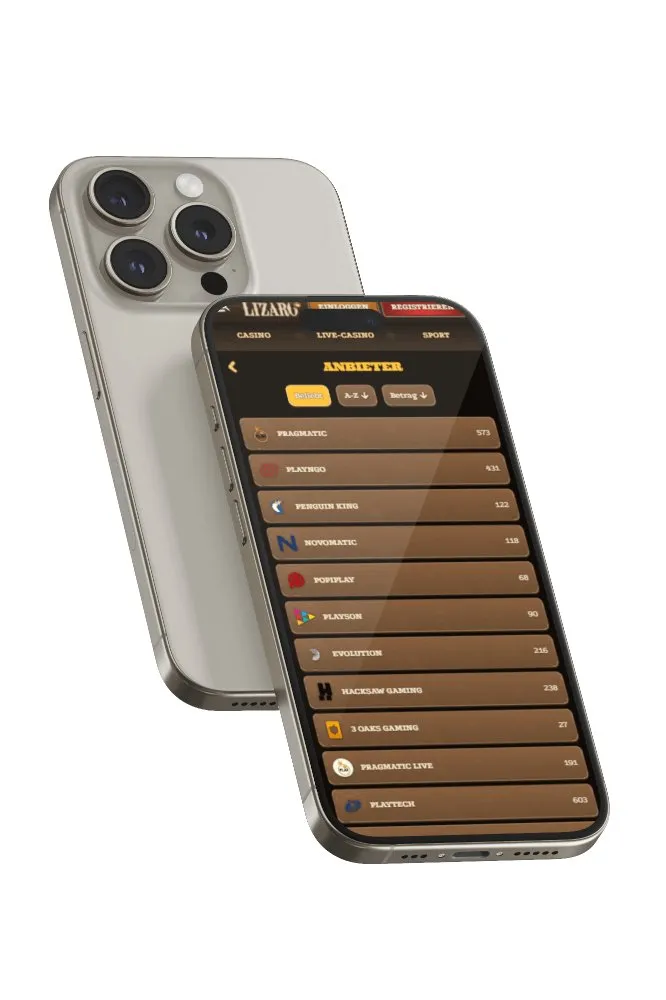
Is AI Just a Fancy Feature or a Real Game-Changer for Mobile Players?, lizaro online casino

Where Is AI Headed in the Next Five Years?

Look for three trends: edge‑computing AI that runs entirely on‑device, deeper integration of procedural content generation, and tighter cross‑platform ecosystems. By offloading inference to the phone’s neural engine, developers can avoid latency spikes caused by server calls. I expect to see mobile games that generate entire levels on the fly, offering virtually endless replayability without bloating the app size.

In short, AI is no longer a gimmick. It’s a practical tool that reshapes difficulty, graphics, social interaction, and even battery life. As developers fine‑tune these systems, the average mobile gamer will spend more time playing—and less time frustrated.

Frequently Asked Questions

What is dynamic difficulty adjustment in mobile games?

Dynamic difficulty adjustment automatically tweaks challenge levels based on player performance, ensuring a balanced and engaging experience without manual tuning.

How does AI personalize content for mobile gamers?

AI analyzes player behavior and preferences, then curates levels, quests, or in‑game items that match individual skill and interests, boosting replay value.